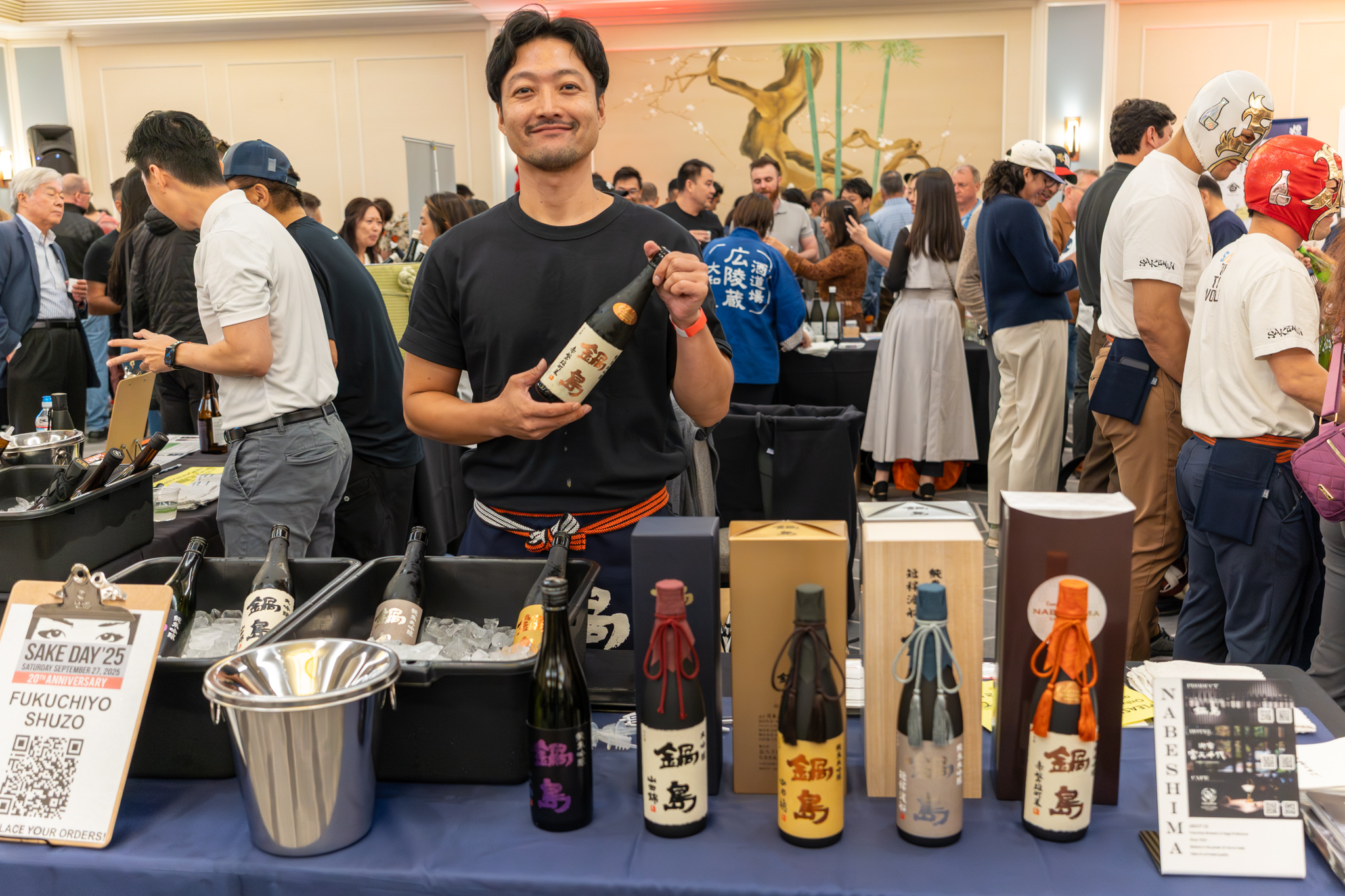
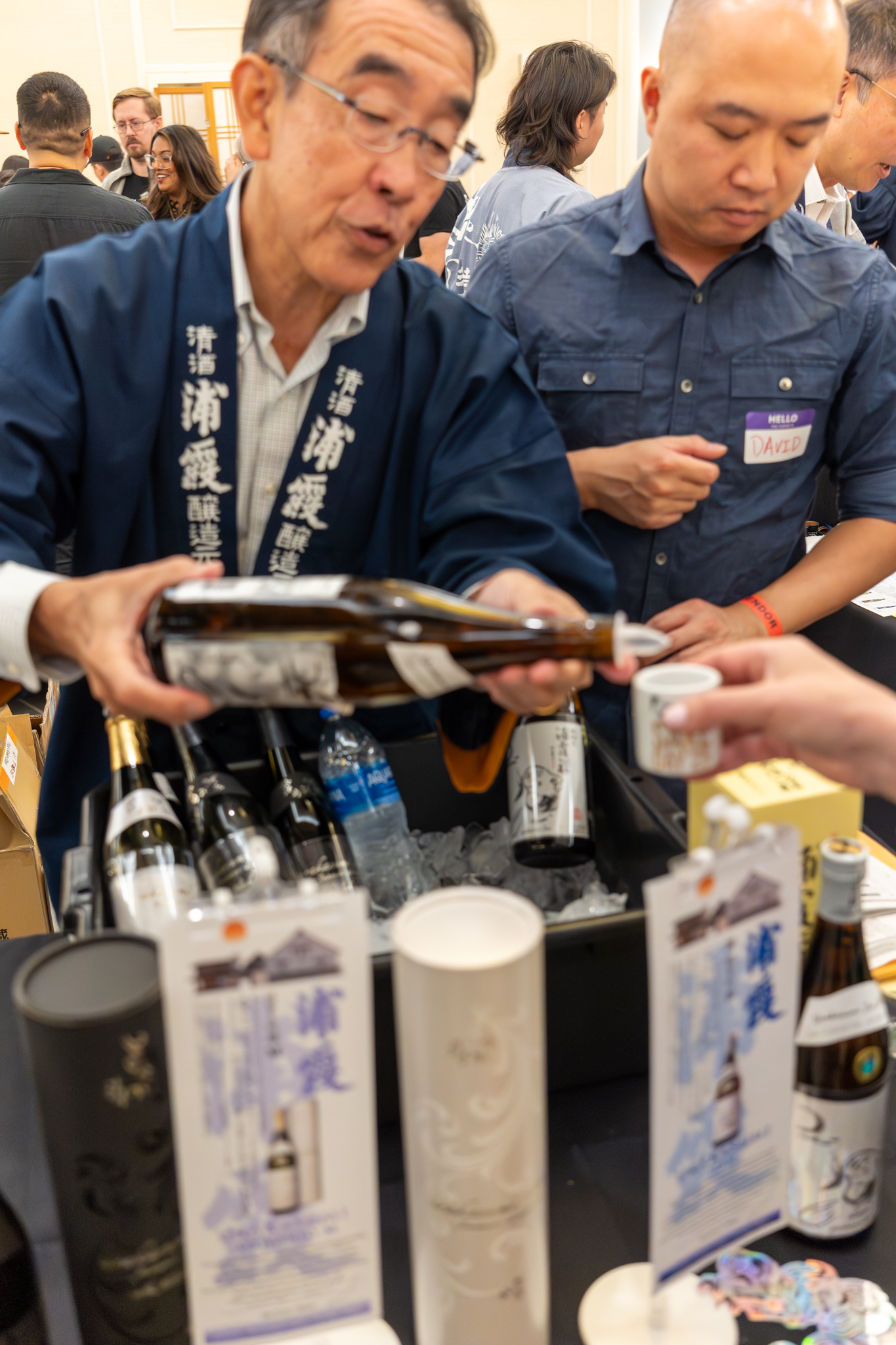
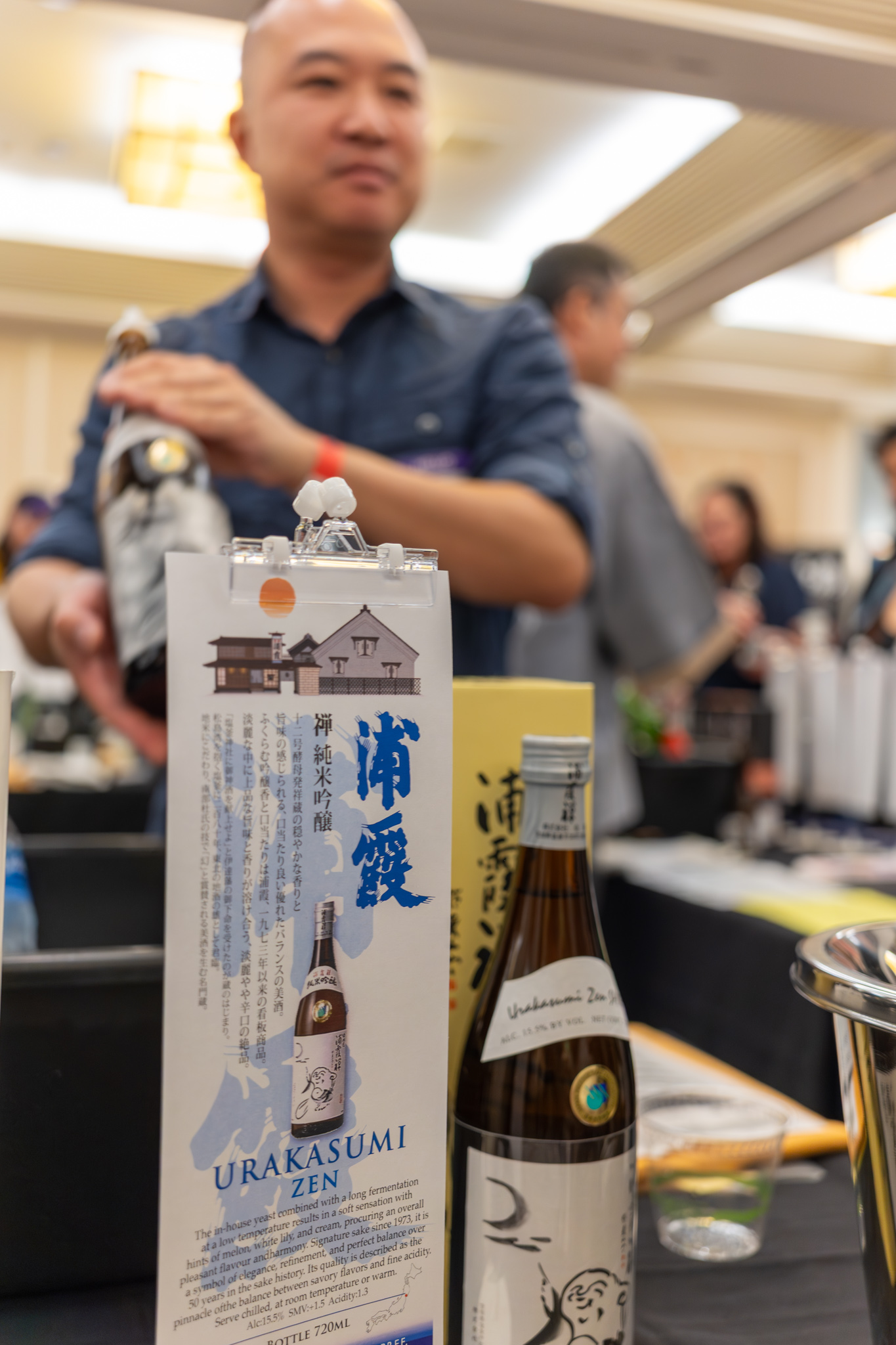
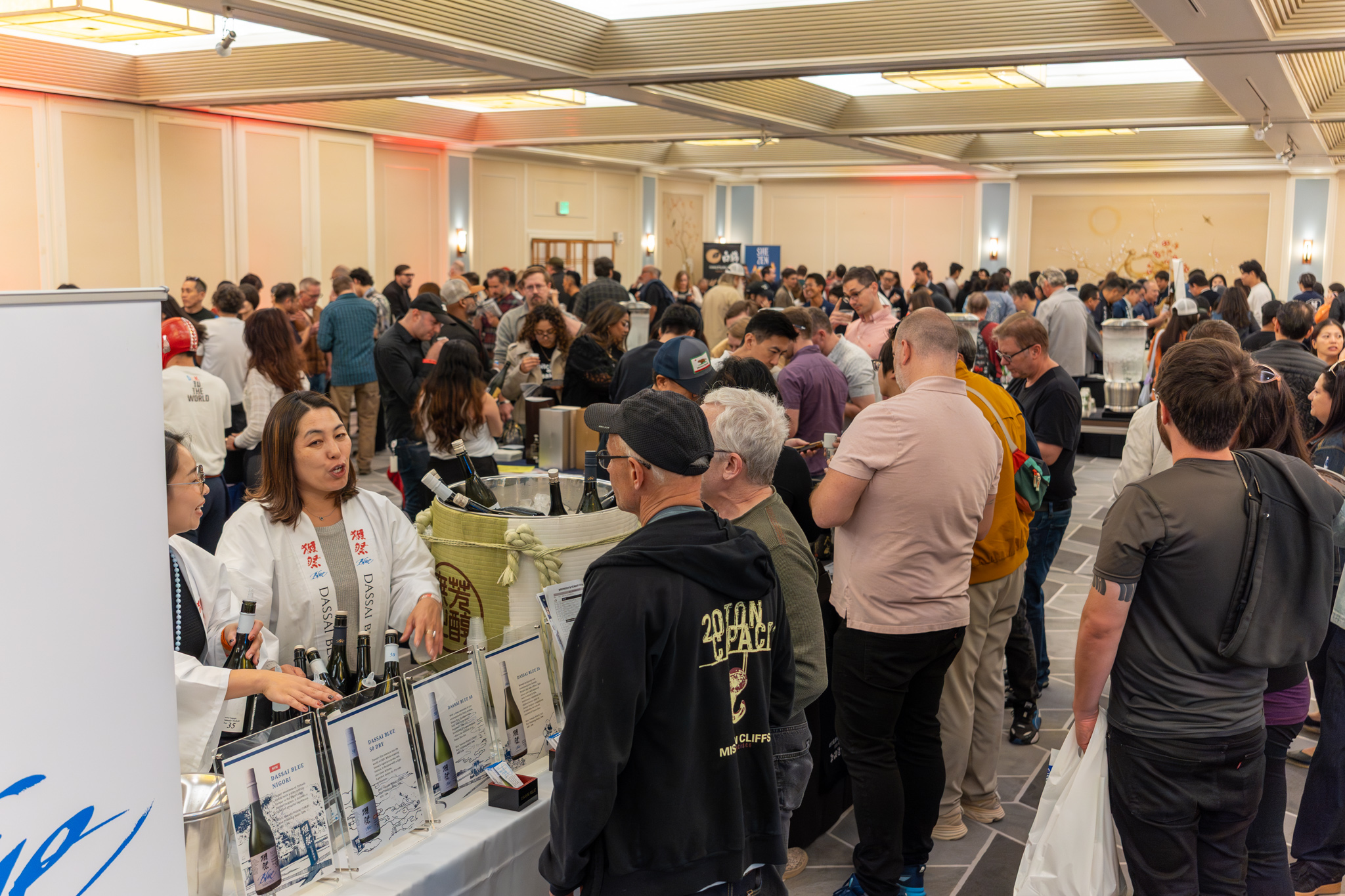
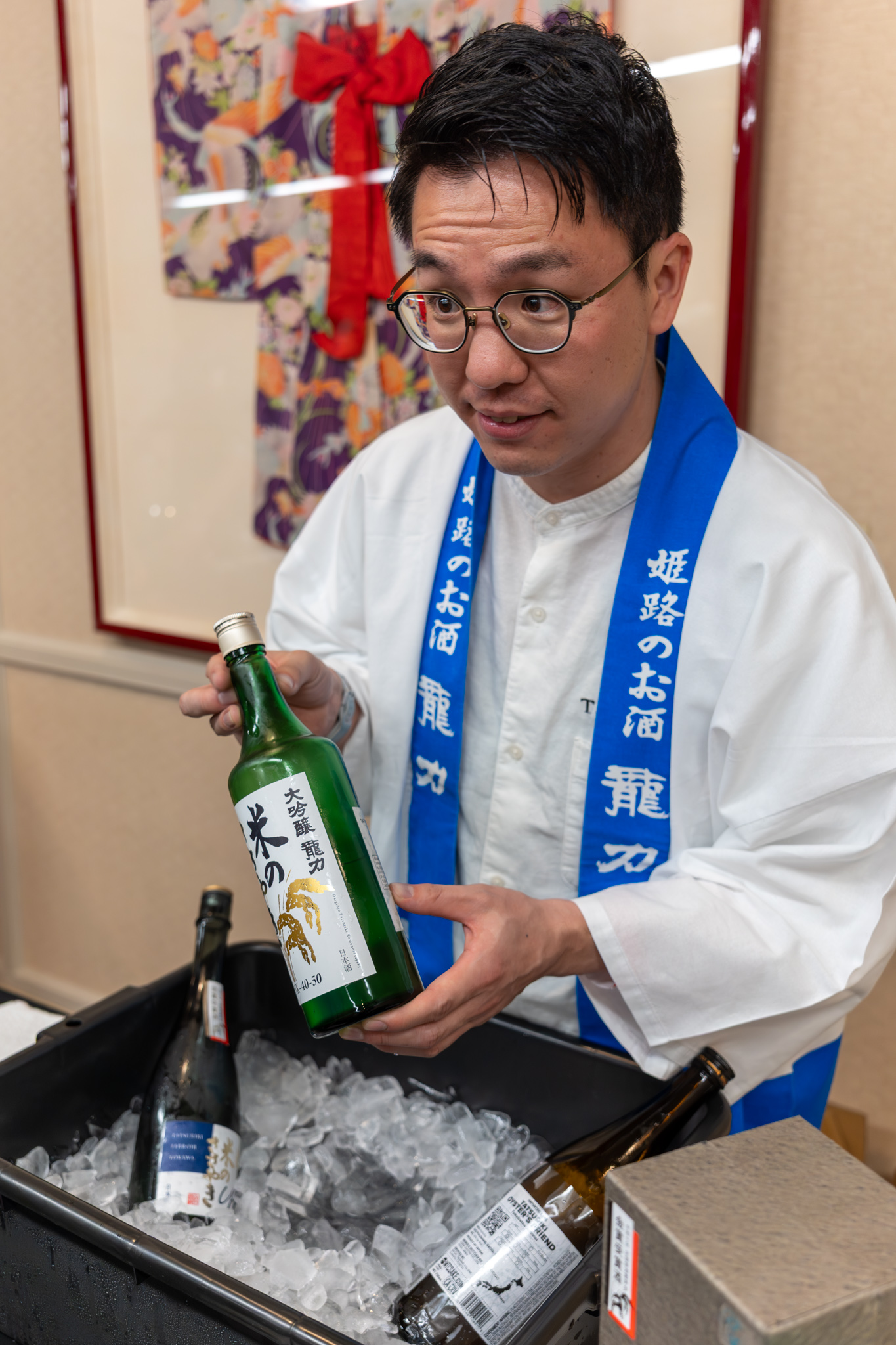
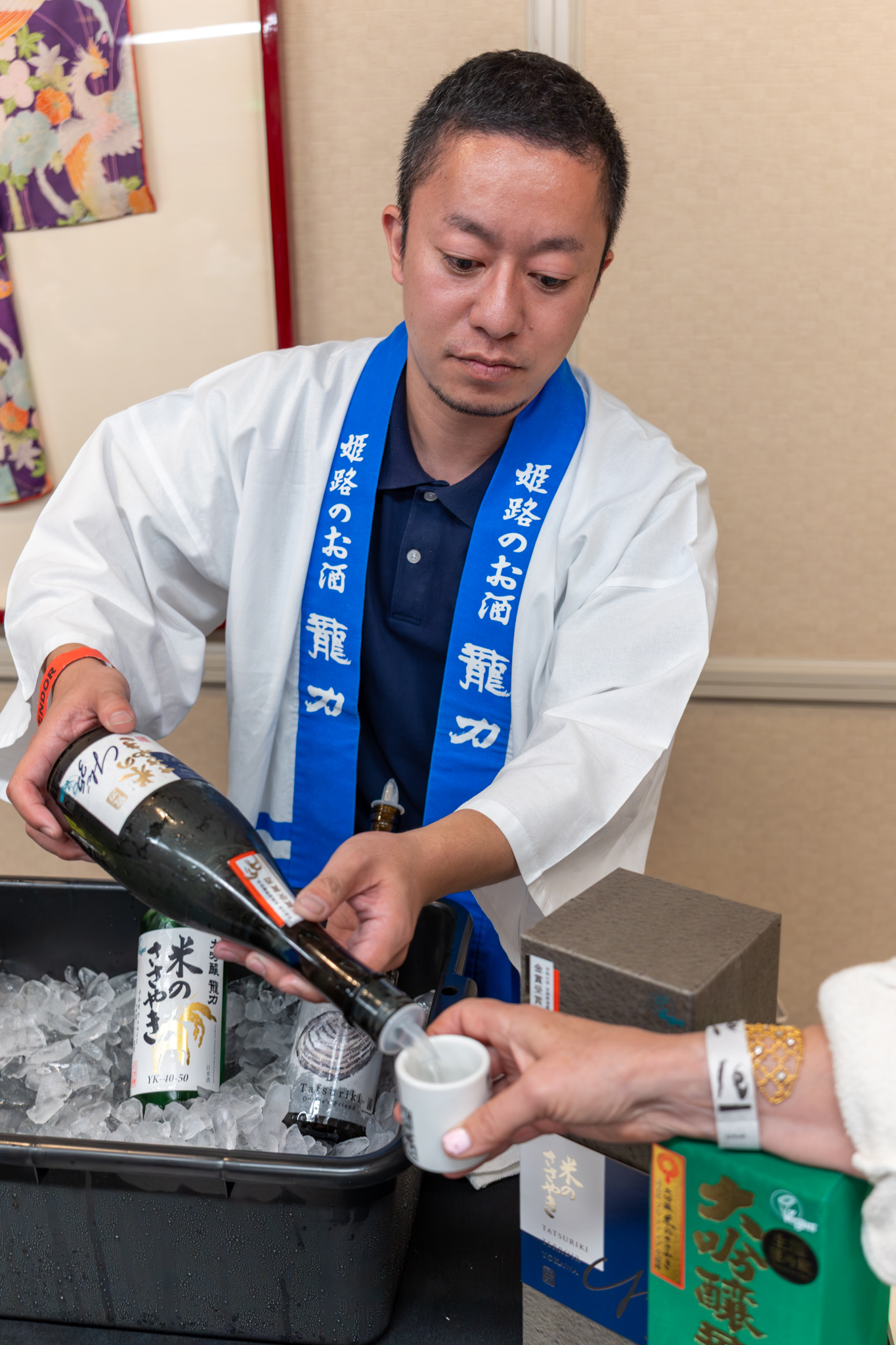
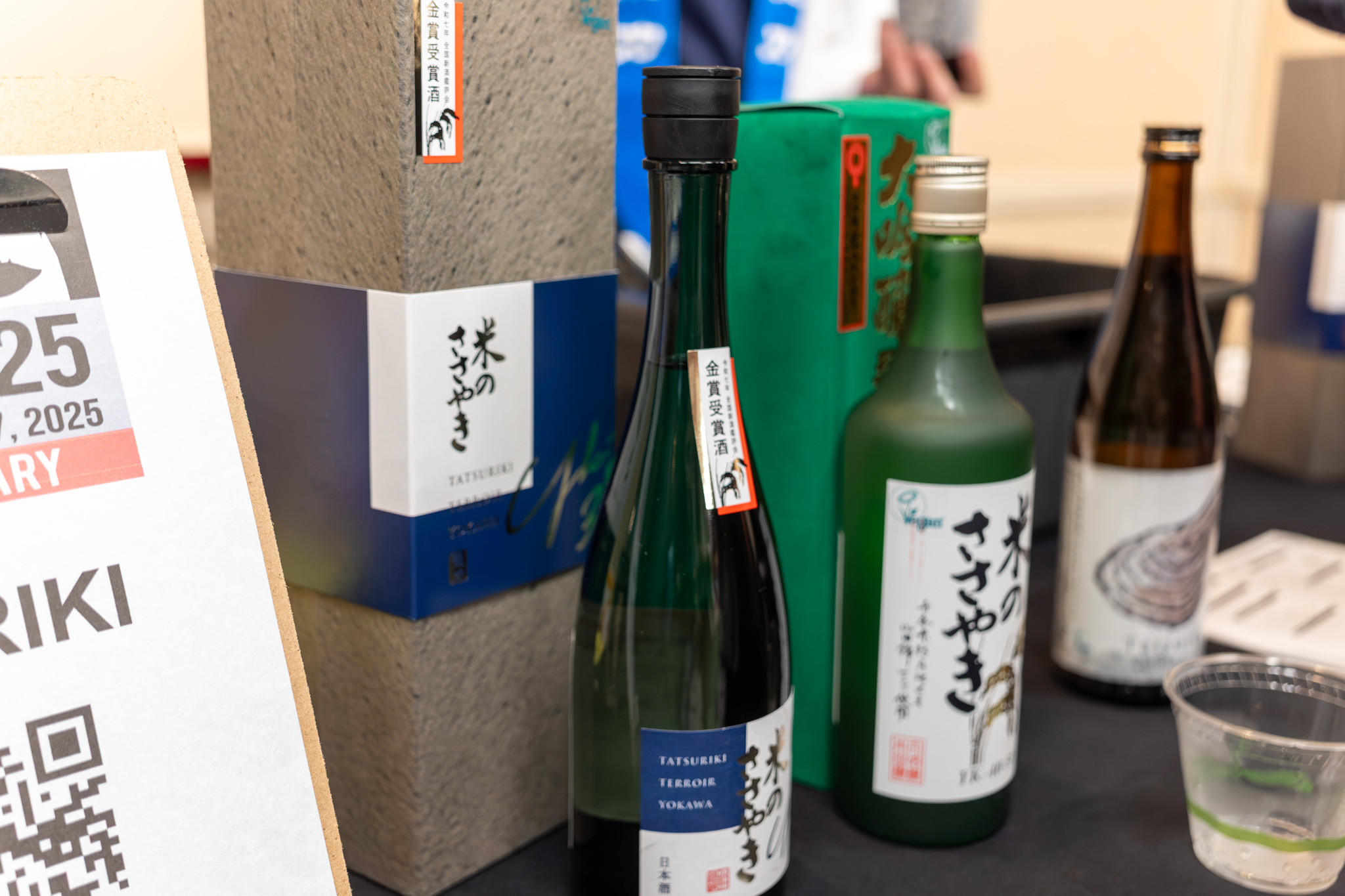
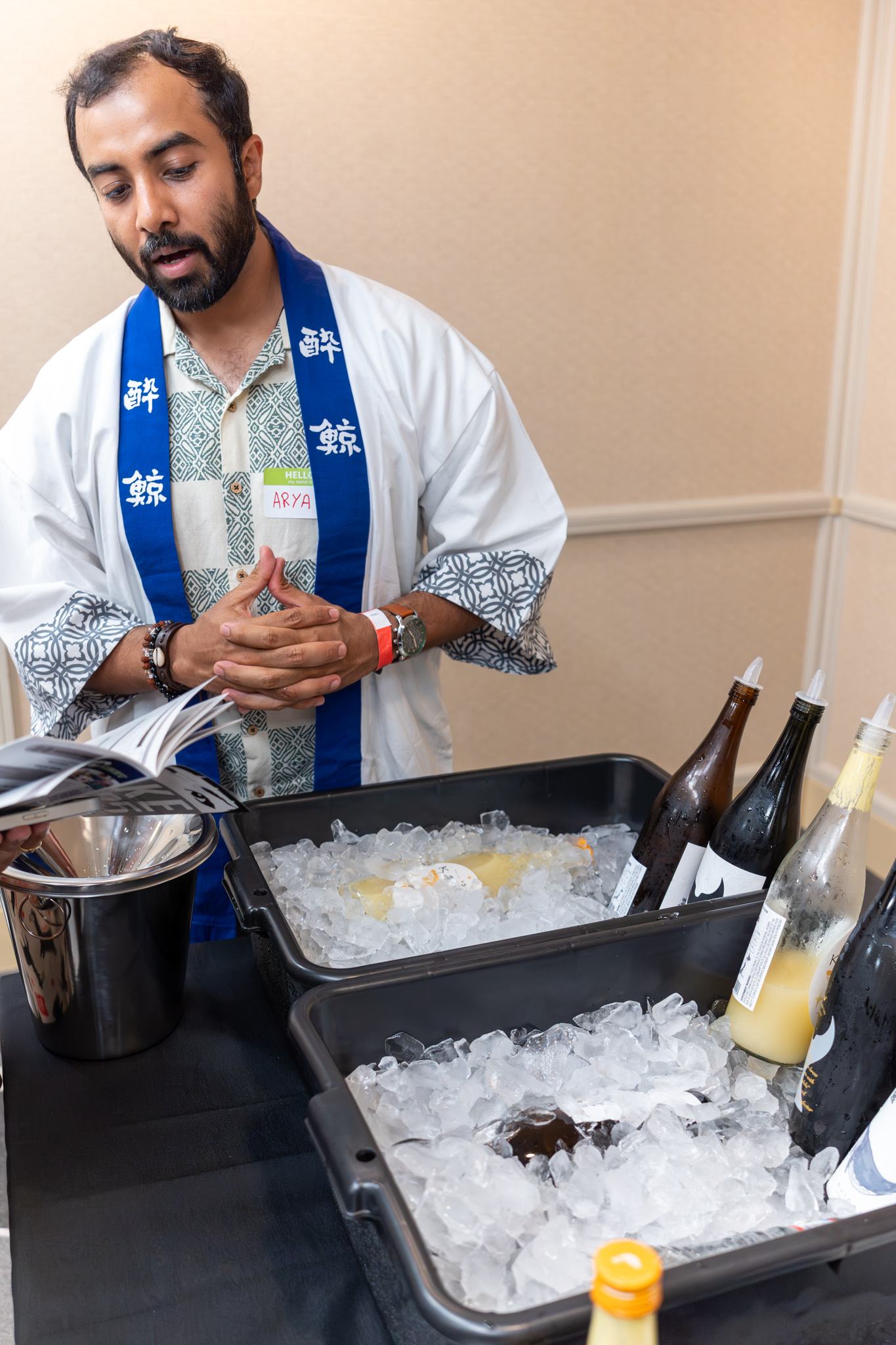
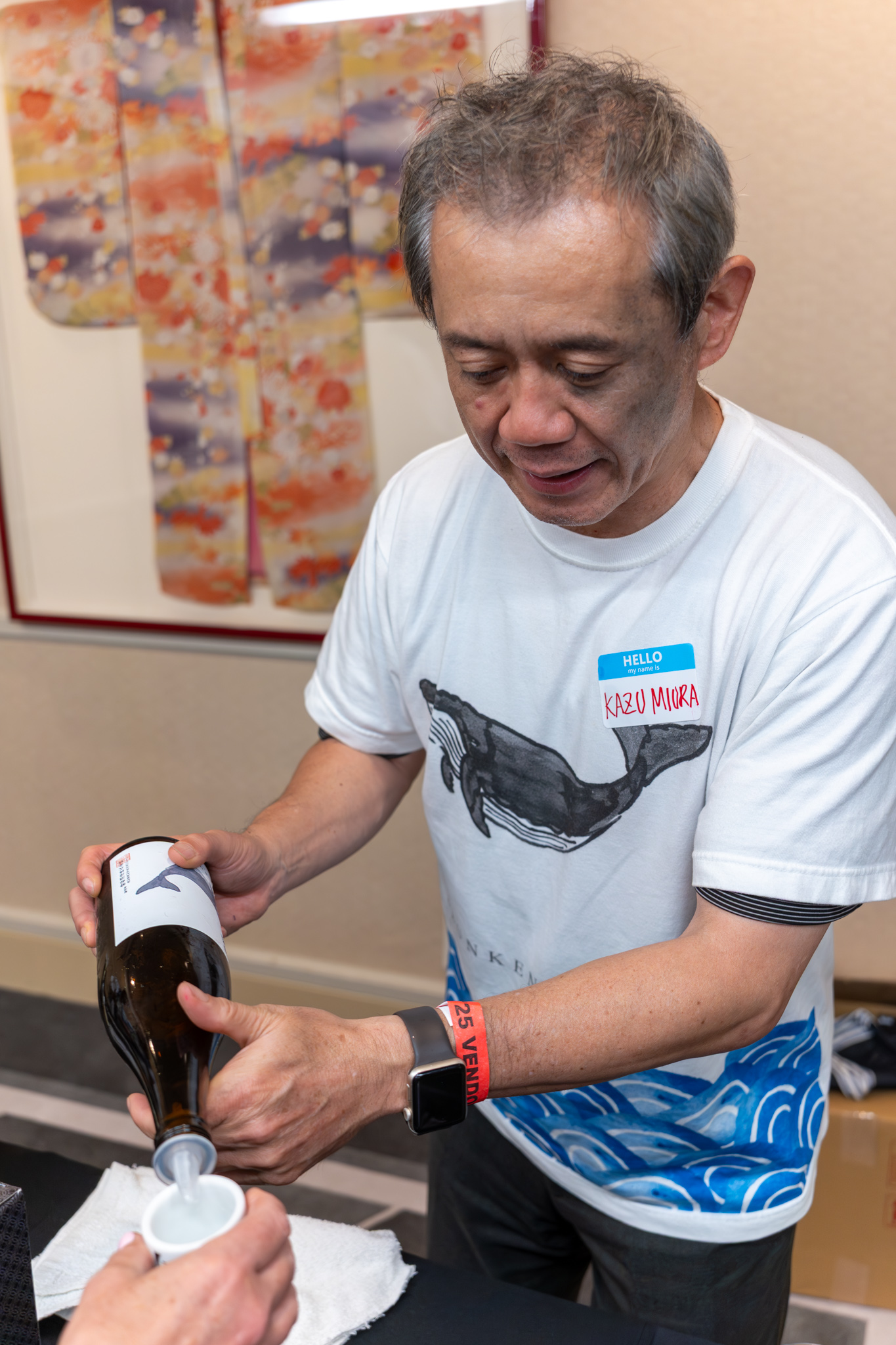
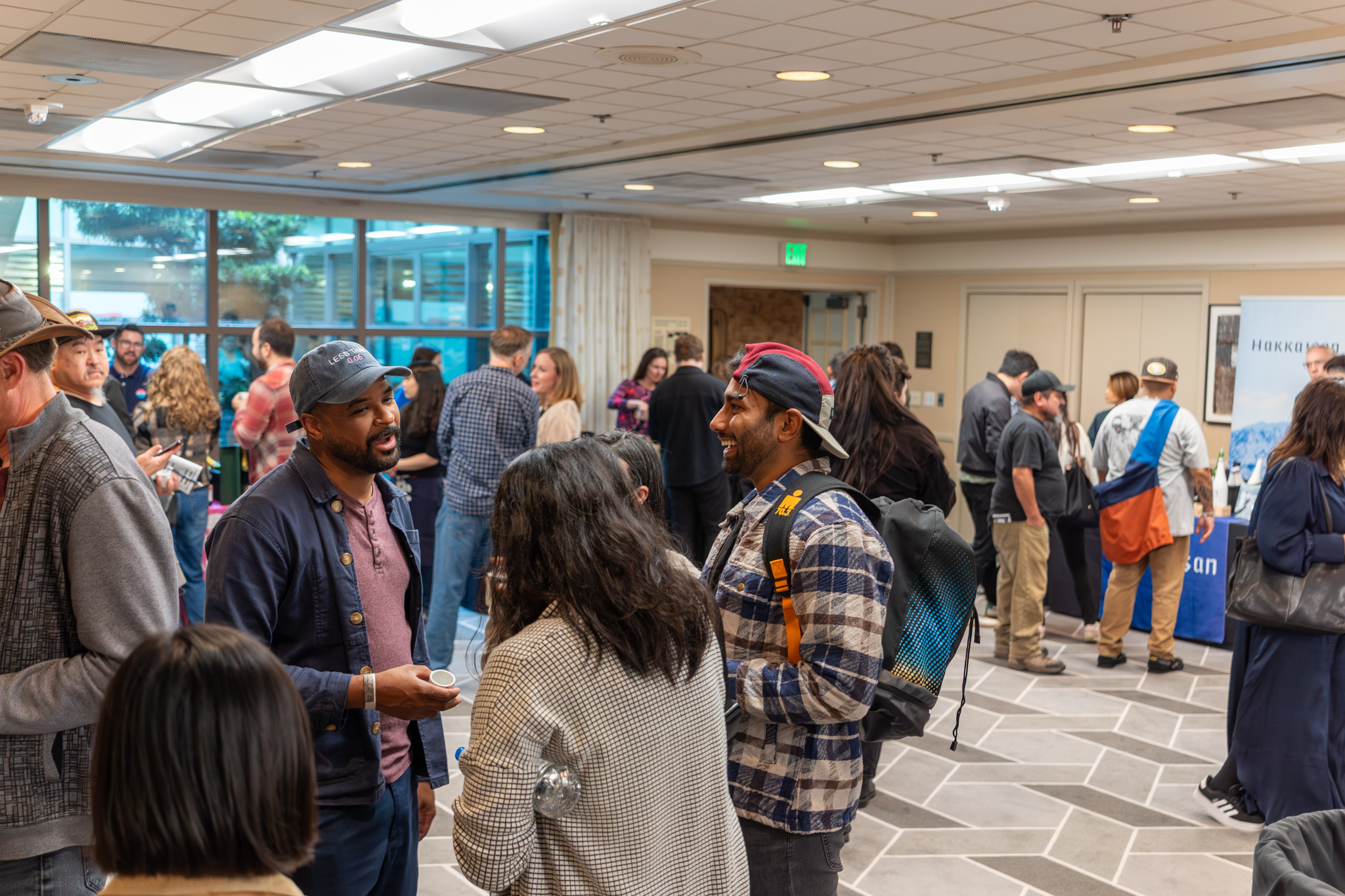
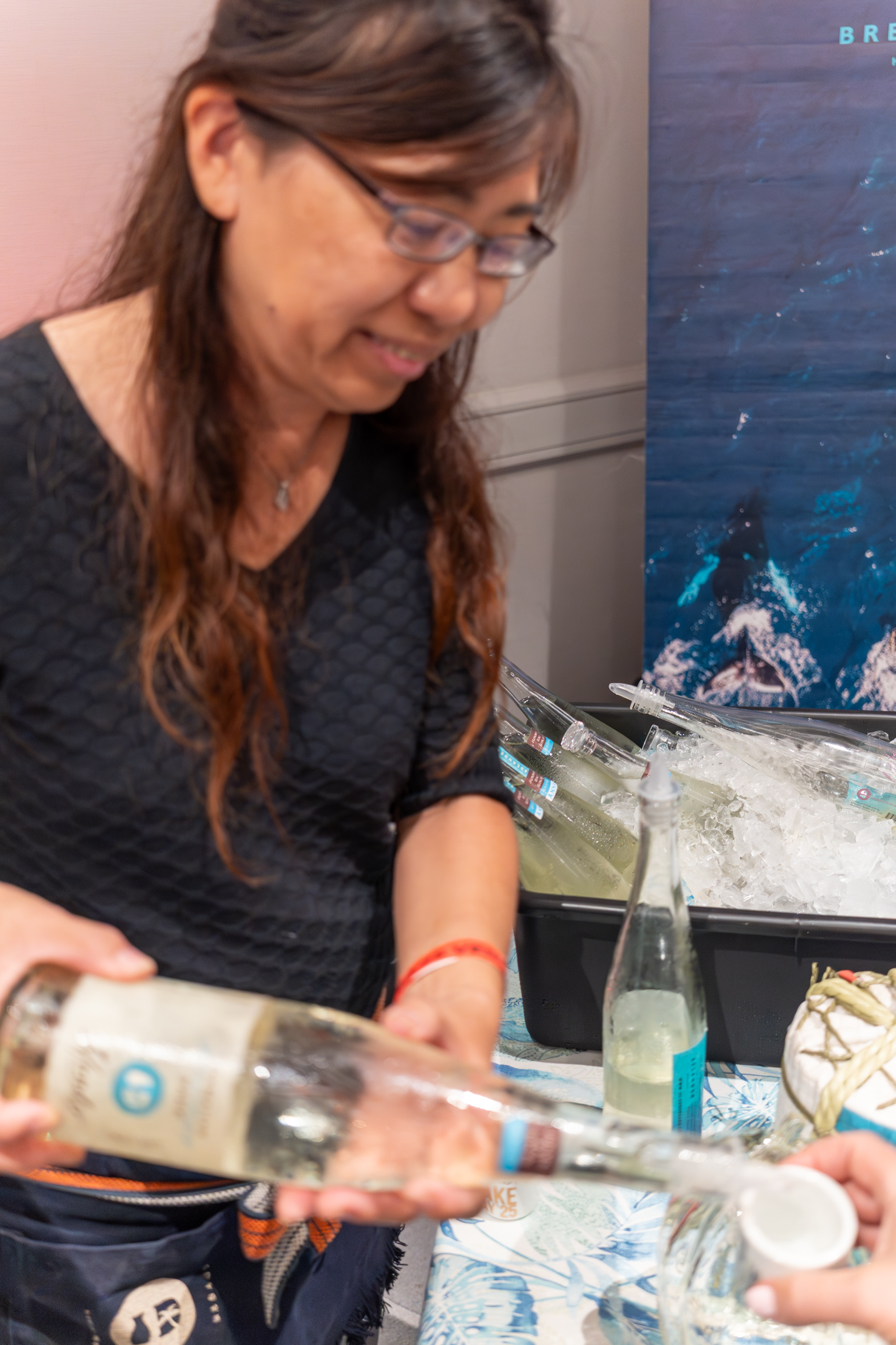
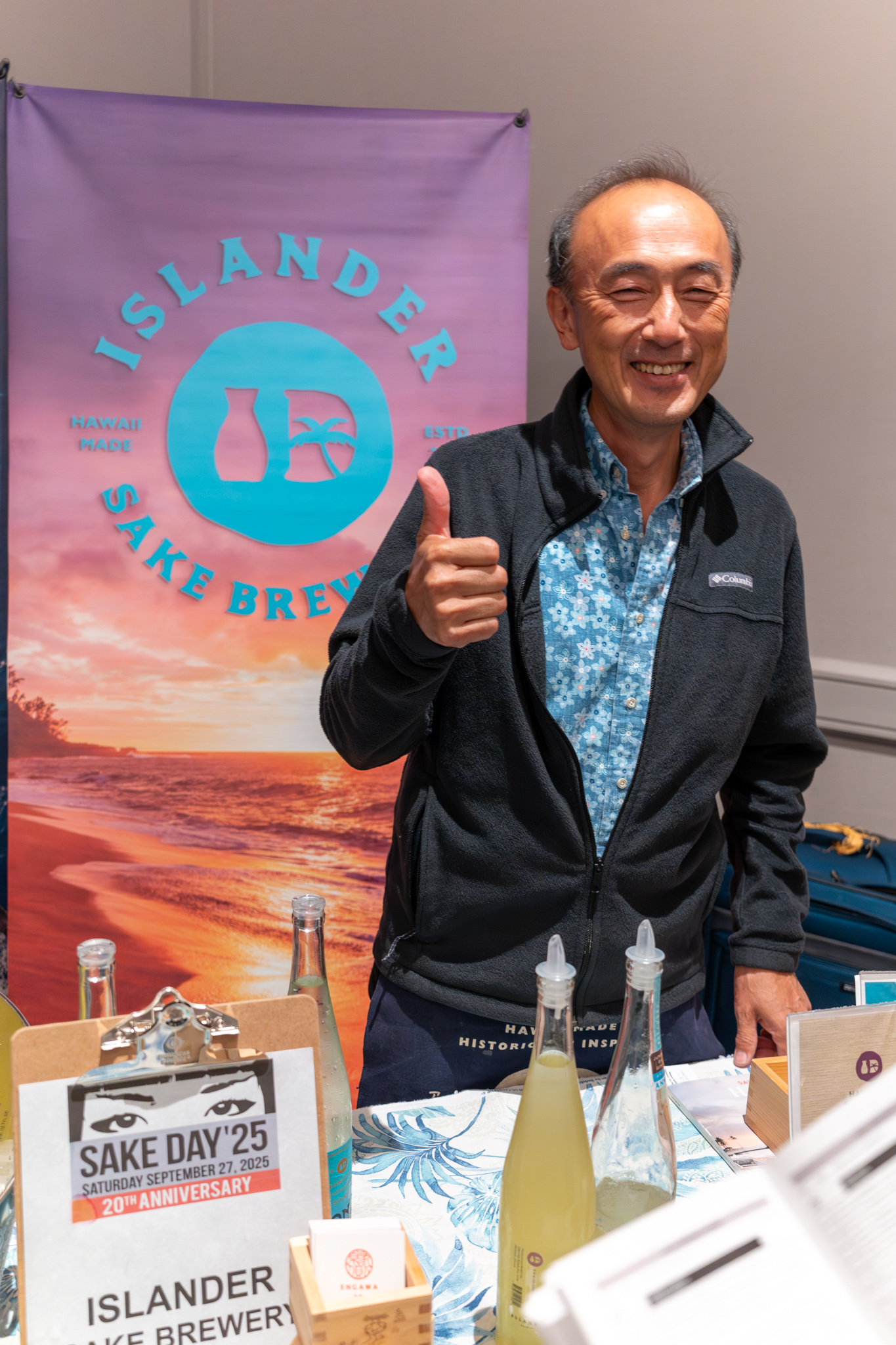
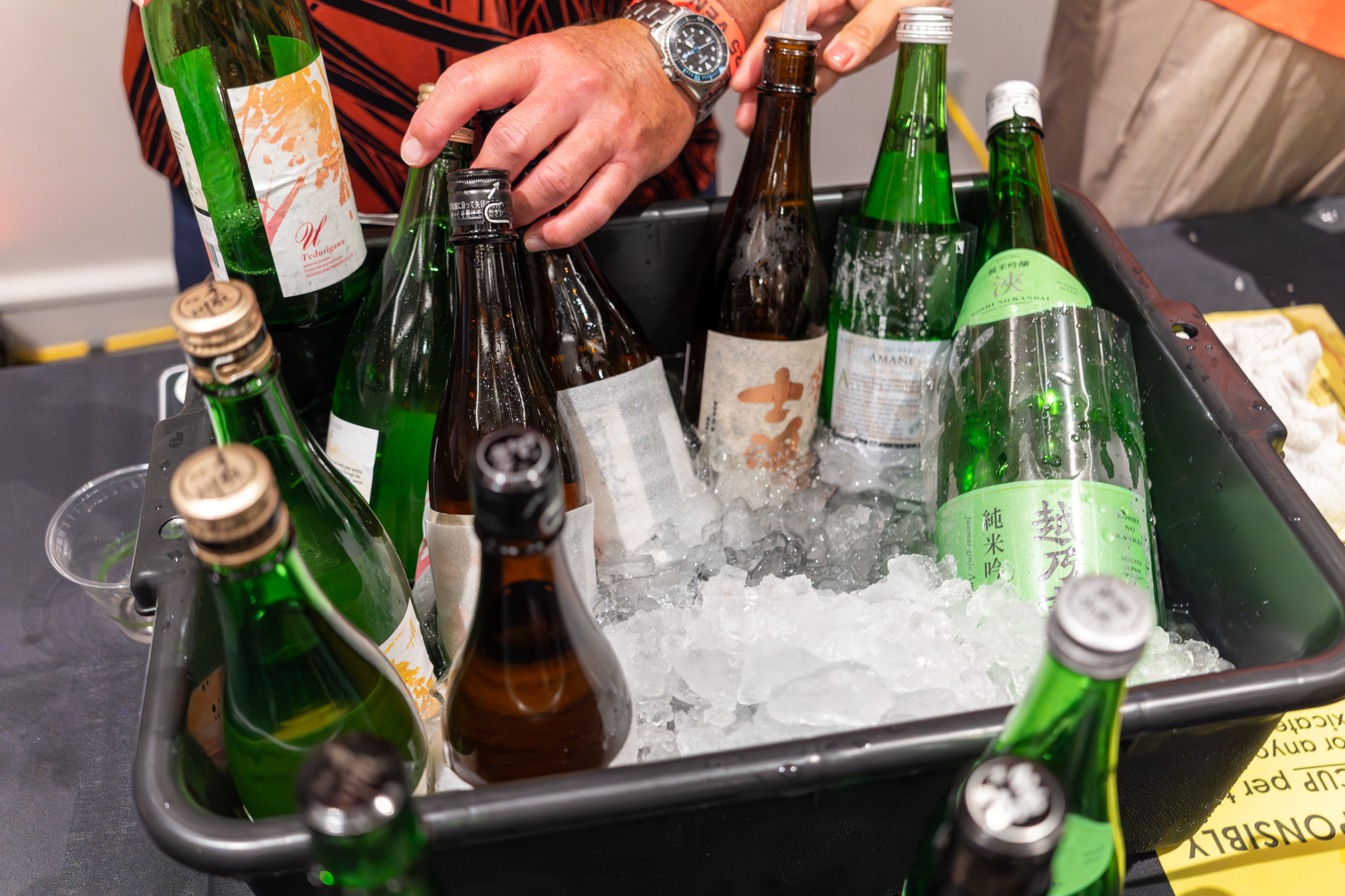
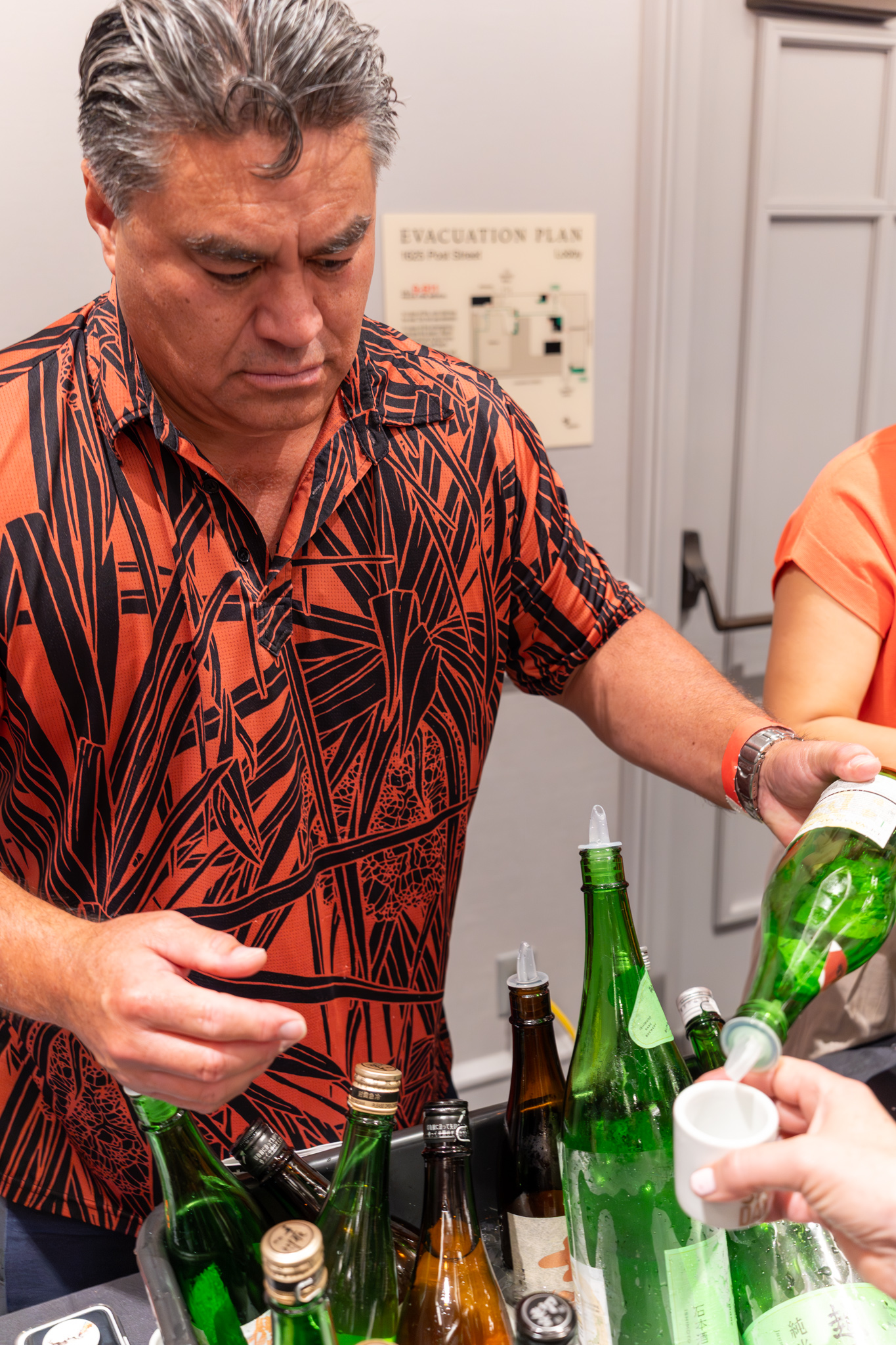
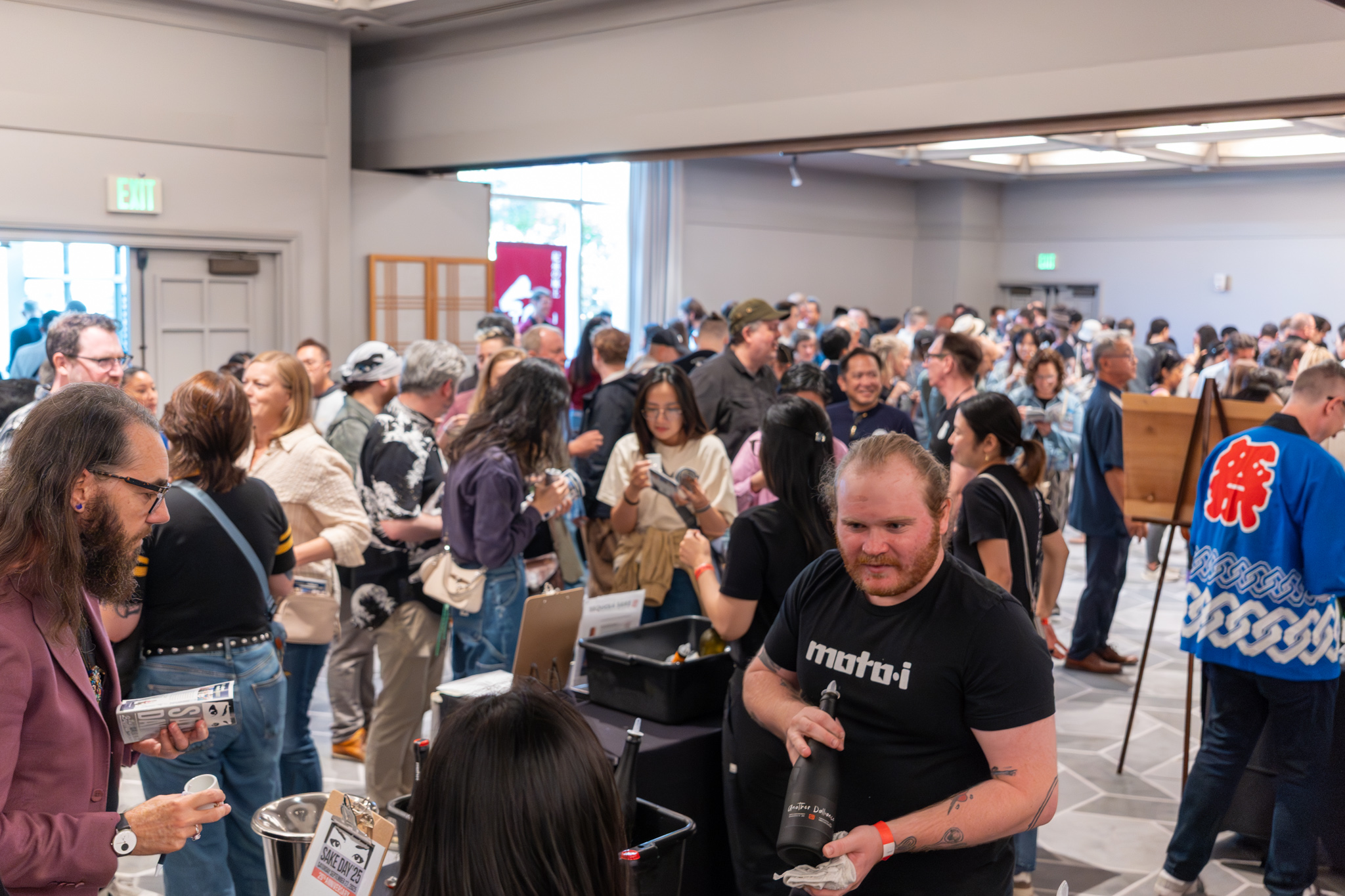
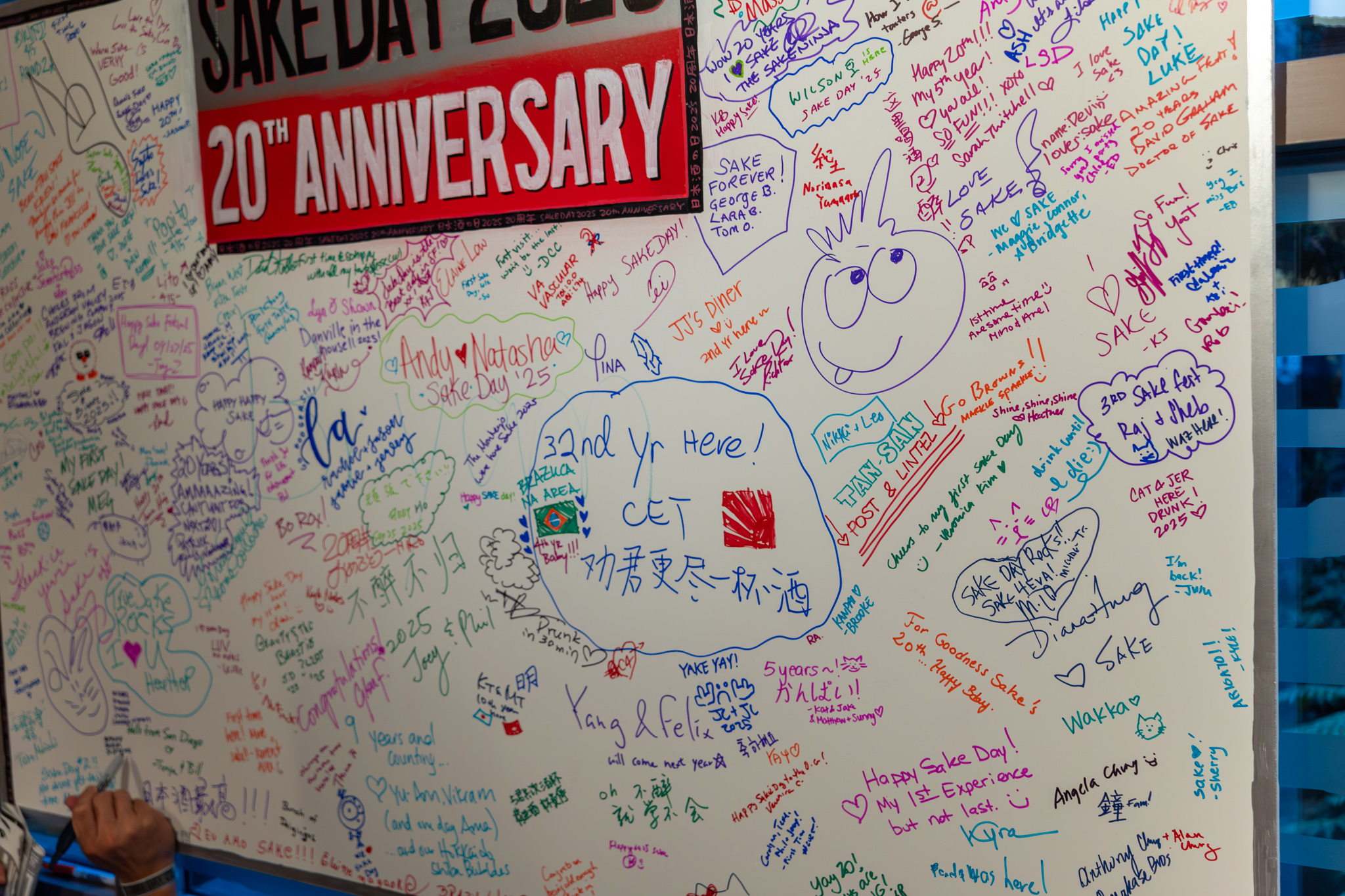
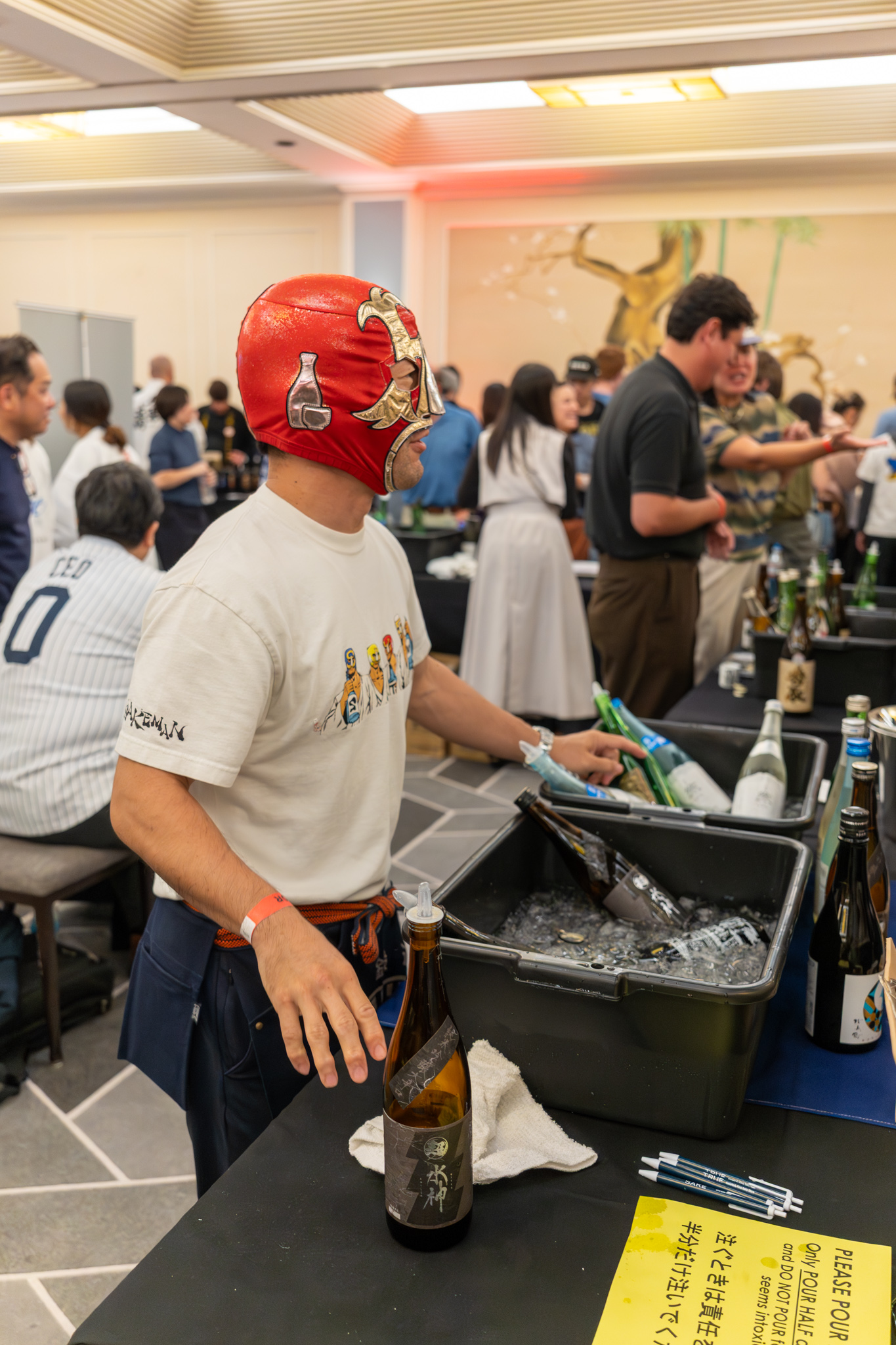
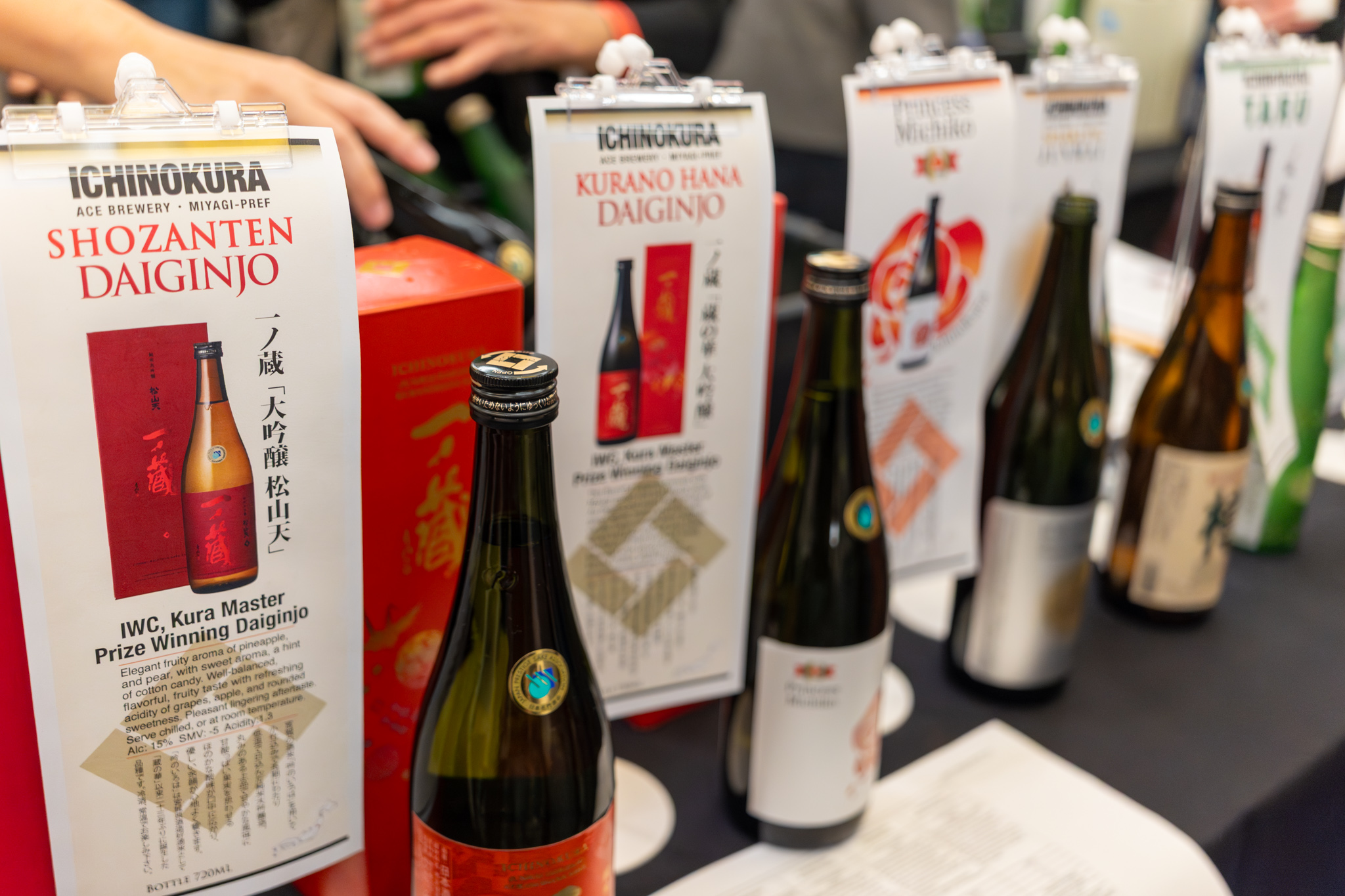
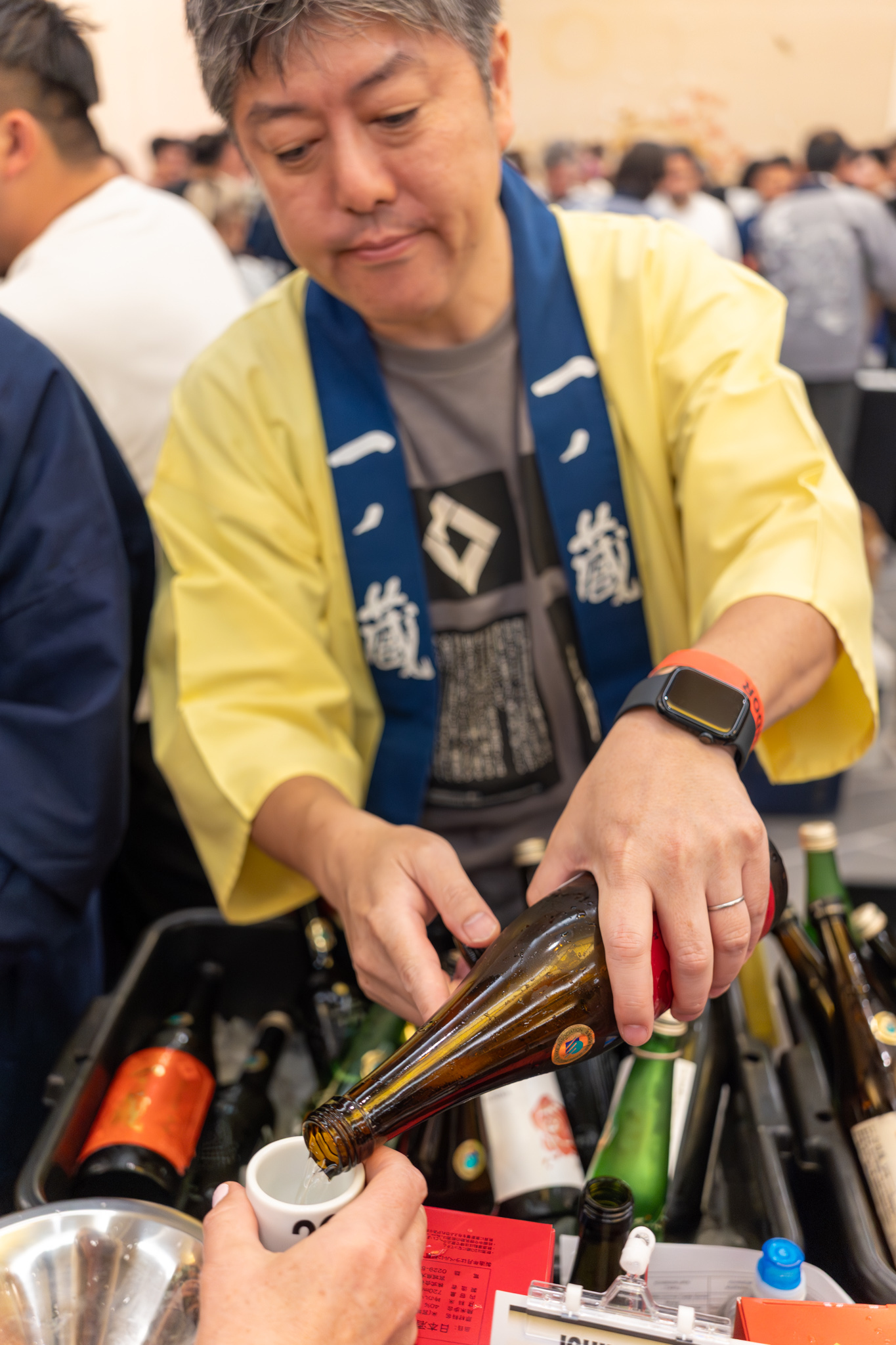
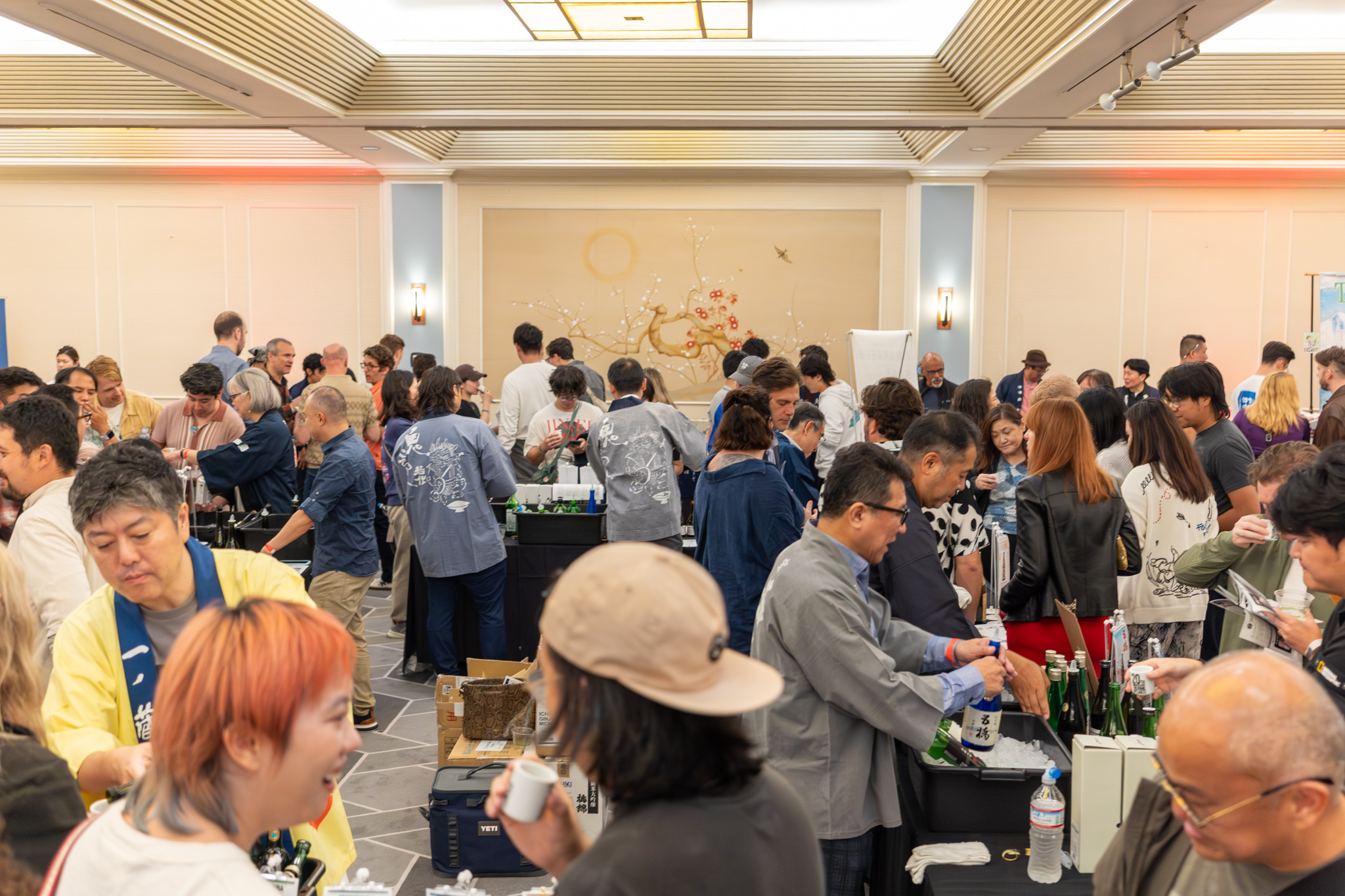
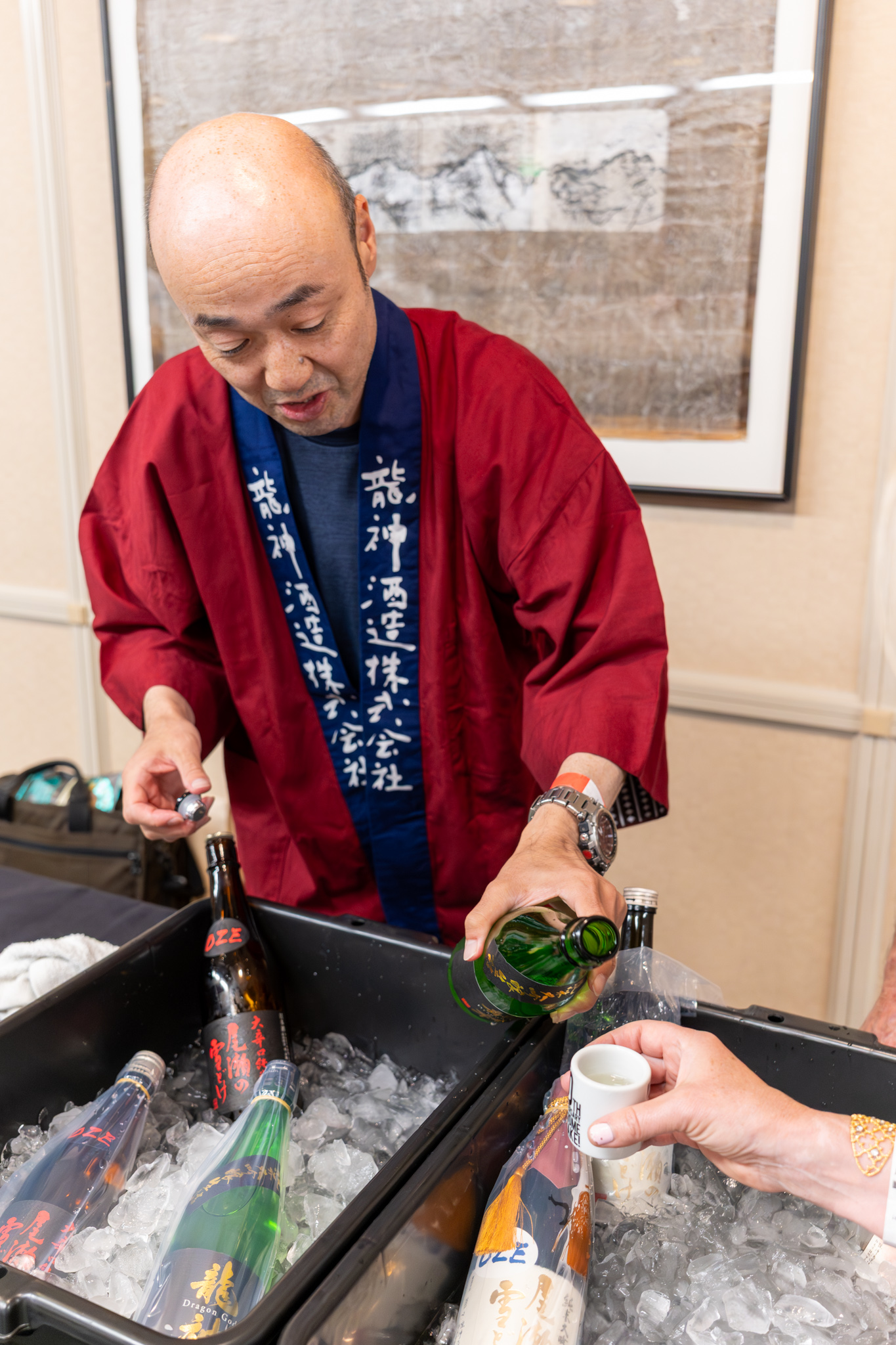
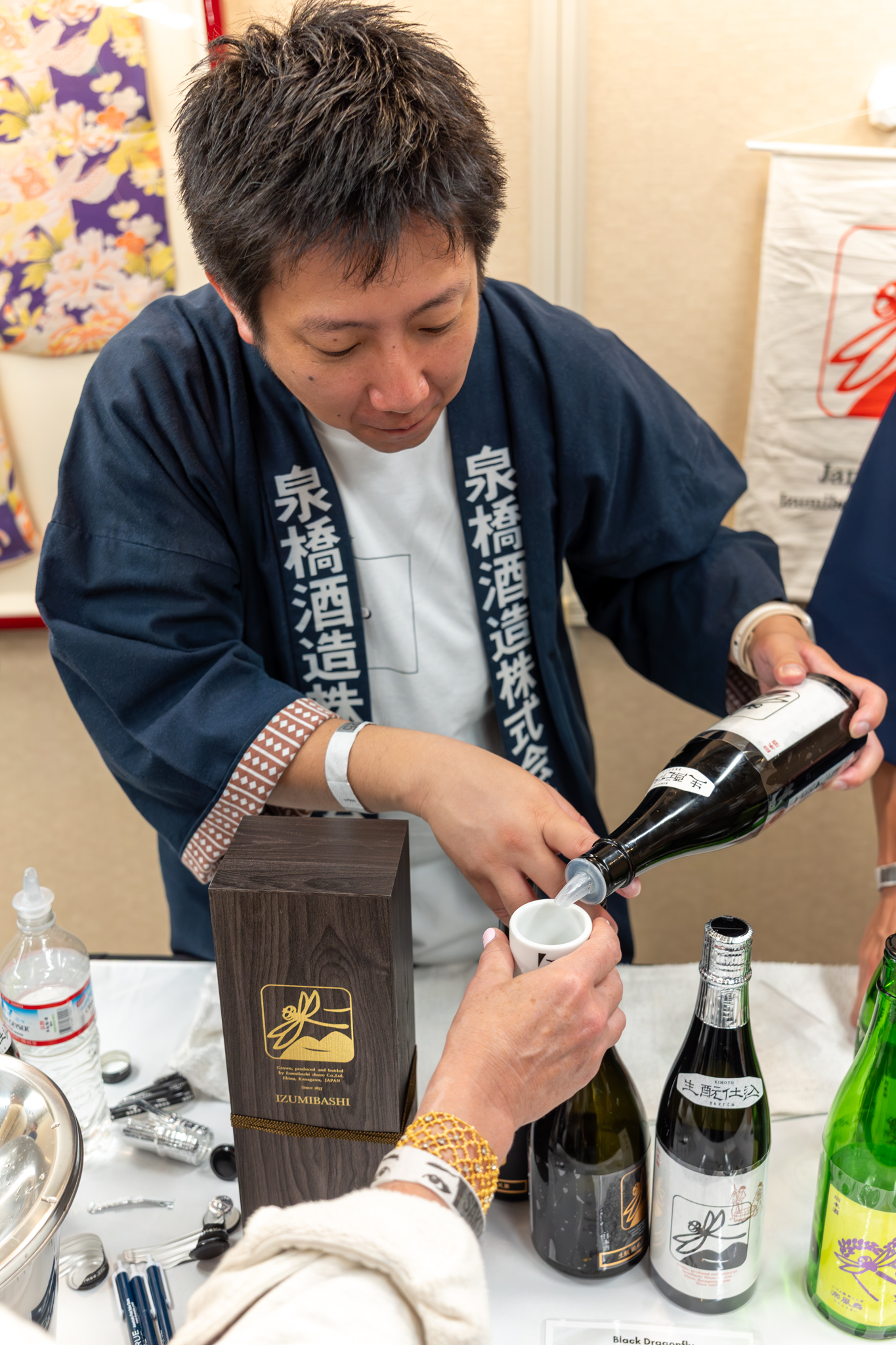
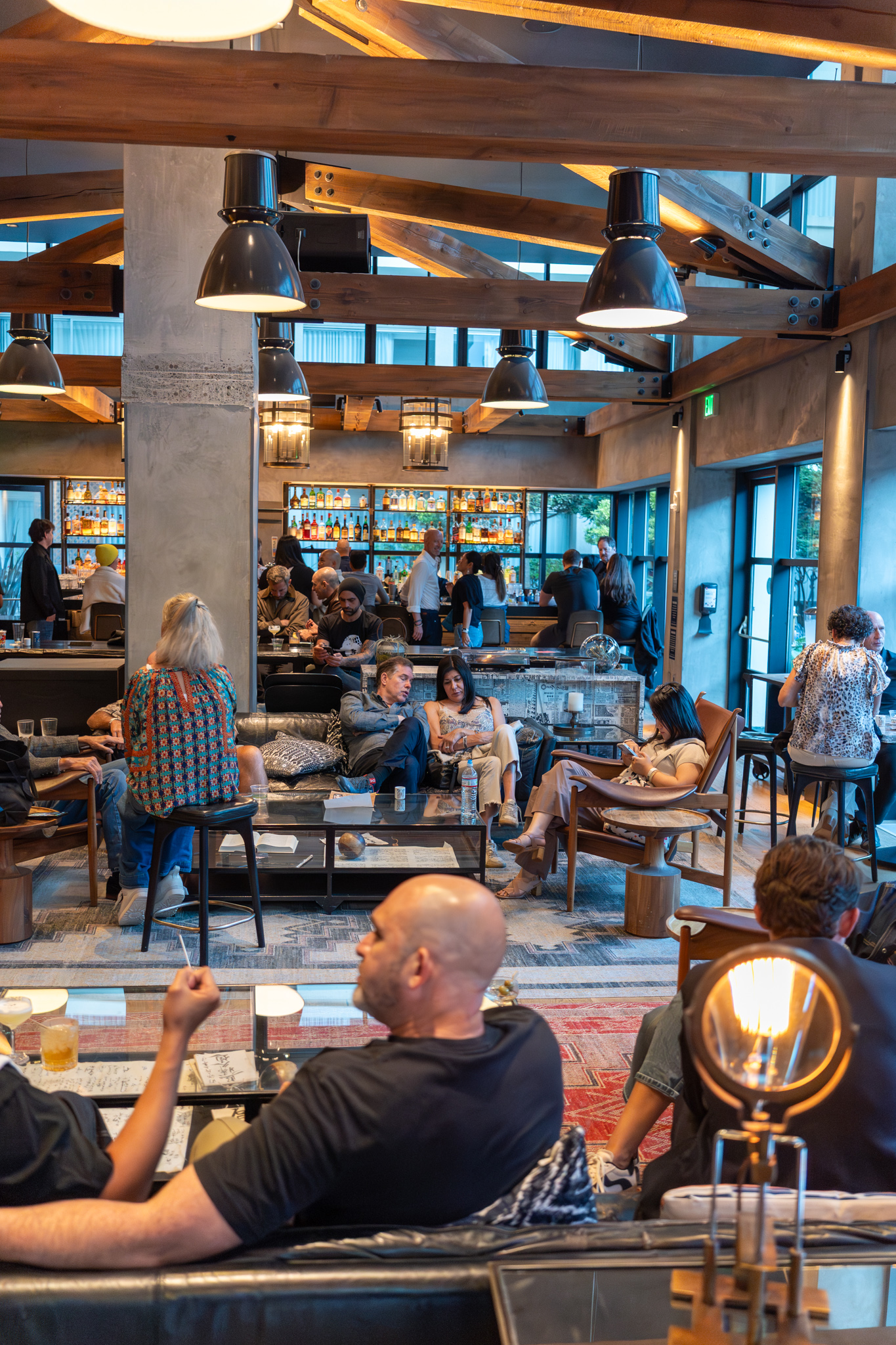
We haven’t been to SakeDay for who knows how long (can’t confirm in my e-mails), back when it was originally held in Hotel Nikko downtown. When we first parked about an hour before the event, we could see the line was about 50ish people deep already. We didn’t have much interest in just standing in a line that long so we walked around Japantown for a bit and came back to the line about 15 minutes before the doors were going to open. The line was more than twice as long by that point. Once the doors did open, it took us more than 30 minutes to get in because there were metering people for check-in which definitely did make for a far more orderly entrance.
We enjoy sake quite a bit, but we don’t follow sake very closely to know which makers to try, etc. so of course I just asked ChatGPT to create a list. The results of that are below and is what we used to drive our tasting for the most part. Not all of the makers were pouring what was mentioned on the list, but we pretty much follow this.
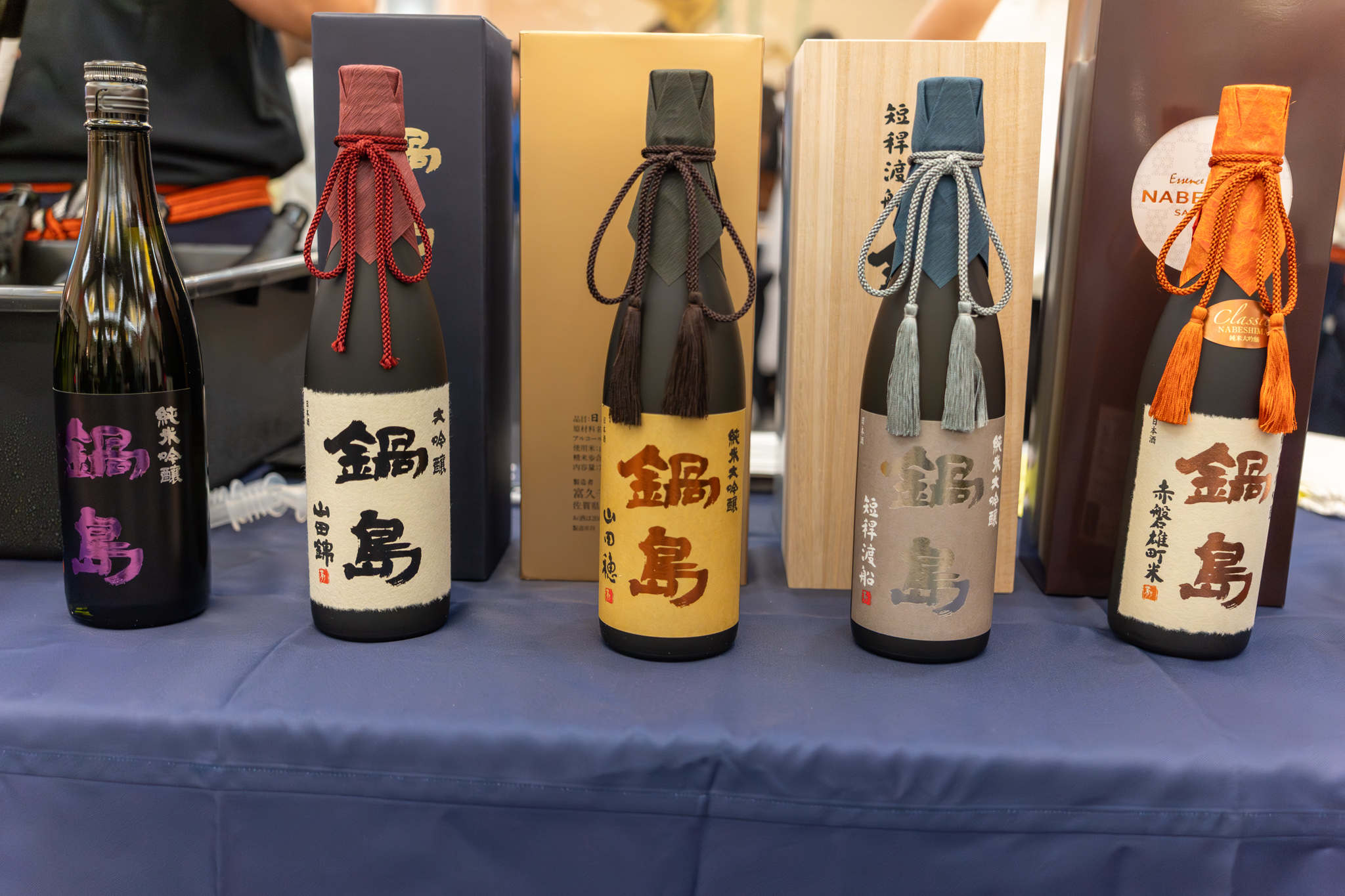
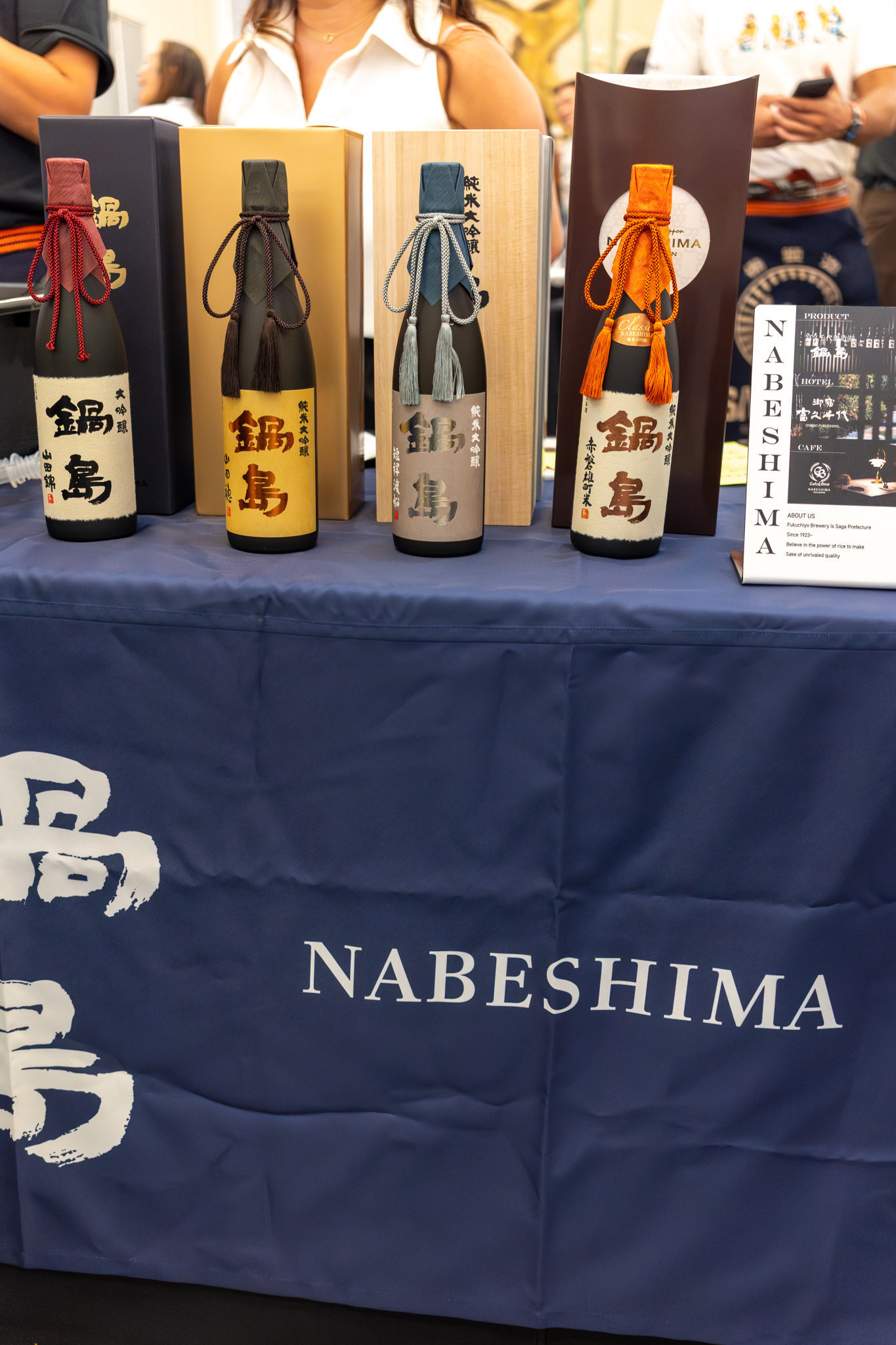
We did pop into room 1 since it was right there and went straight to the Nabeshima table which was not too crowded. We did taste the Junmai Ginjo and Junmai Daiginjo and more which we did enjoy.
Towards the end of our tasting (we had to get to our dinner reservation at Nari), we did return back to Nabeshima. By that point he run out of all of his sakes except for one. Glad we went there first thing.
#####
Here’s a no-nonsense hit list, prioritized for “most likely to blow your mind per reputation + consistent reviews,” with specific bottles to ask for at the tables in these maps. I’m biasing toward benchmark breweries, trophy bottles, and cult crowd-pleasers; I tucked in a few high-quality U.S. craft sakes worth a quick detour.
Tier 1 — Run here first (flagships & cult winners)
- Fukuchiyo Shuzo – “Nabeshima” (Room 1, #28)
Ask for: Nabeshima Junmai Daiginjo or Junmai Ginjo.
Clean but explosive fruit (melon/pear), silky texture, precise finish. Constant award magnet; lines form for a reason. - Tatsuriki (Honda Shoten) (Room 2, #6)
Ask for: Tatsuriki Akitsu (if pouring) or Junmai Daiginjo “Black Dragon”/“Dragon Series.”
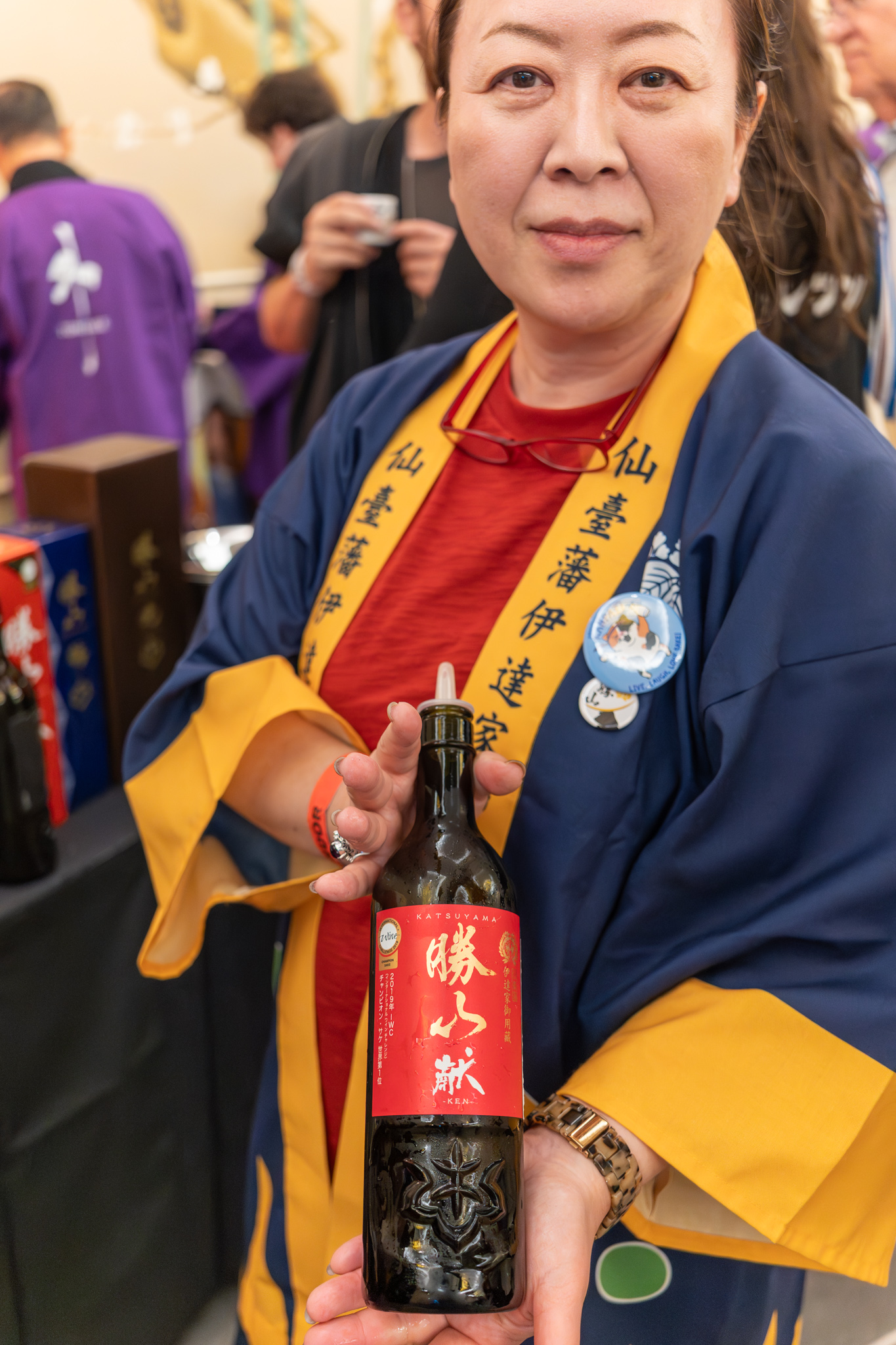
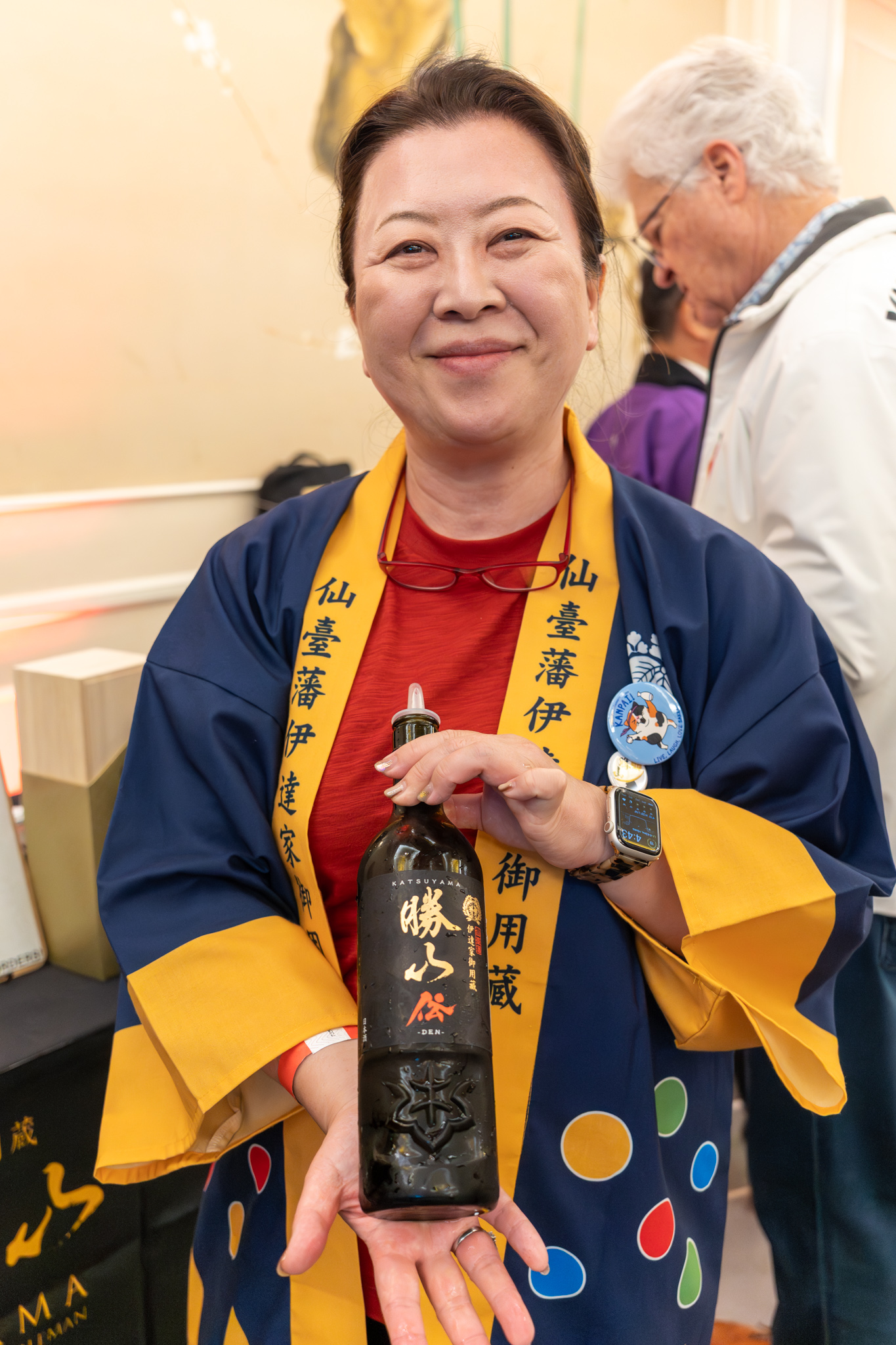
Hyper-focused yamadanishiki expression—dense aroma, long mineral finish. Serious rice-terroir geek juice. - Katsuyama (Room 1, #12)
Ask for: Ken (Junmai Ginjo) or Lei/Den (JDaiginjo).
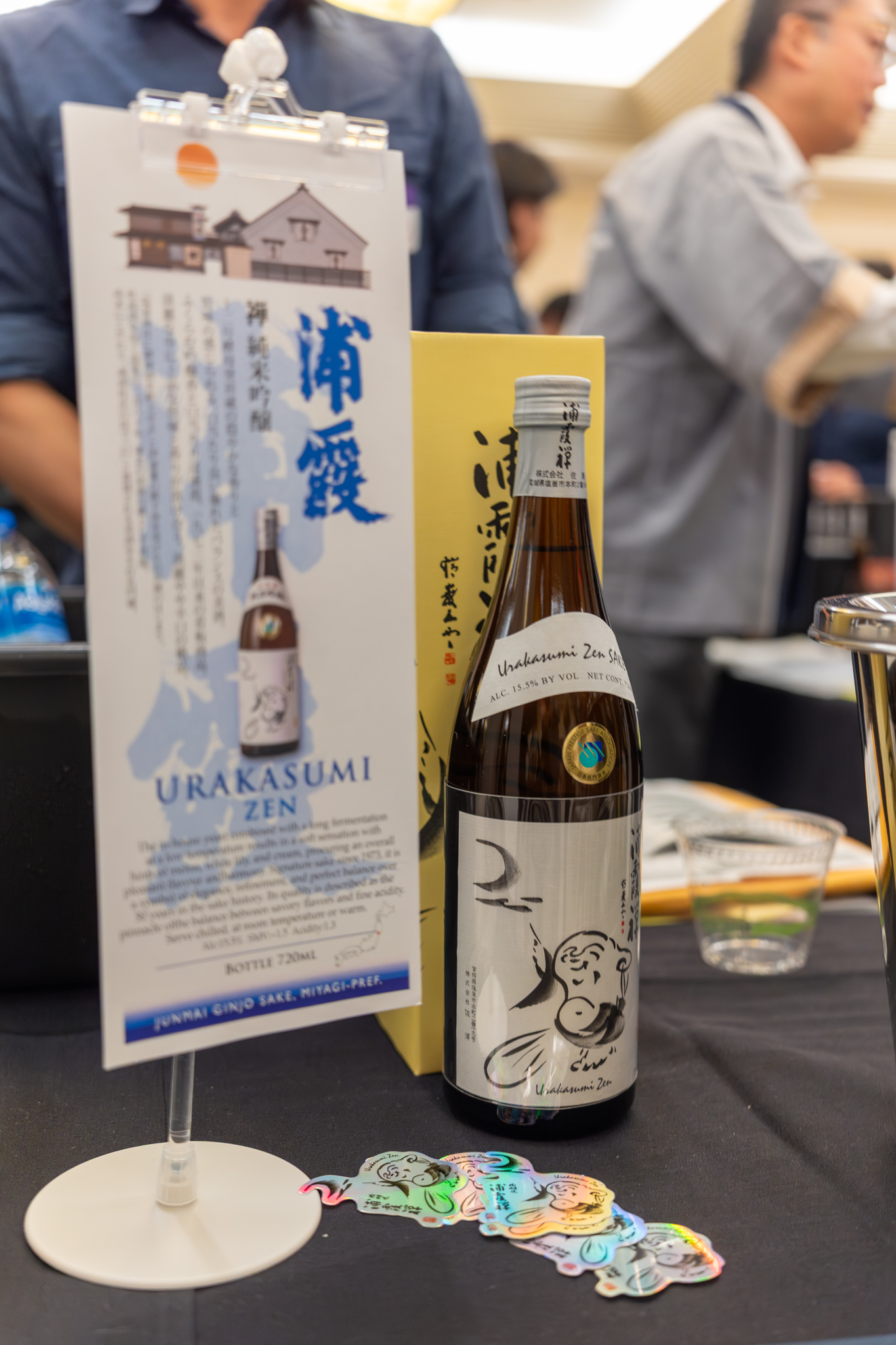
Samurai-era brewery turned fine-dining darling—crystalline, gastronomic, pairs with fatty bites absurdly well. - Urakasumi (Room 1, #23)
Ask for: Zen (Junmai Ginjo).
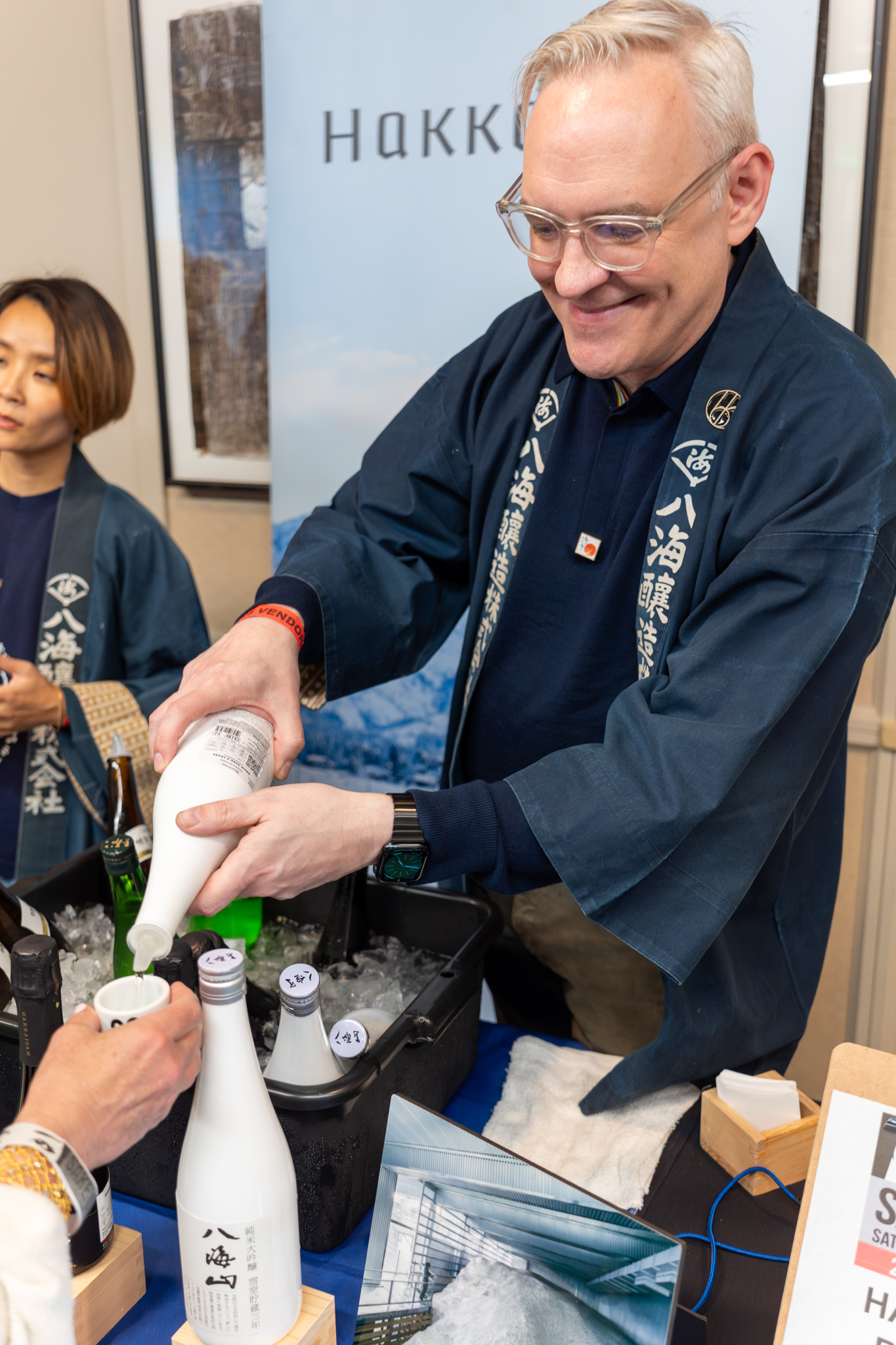
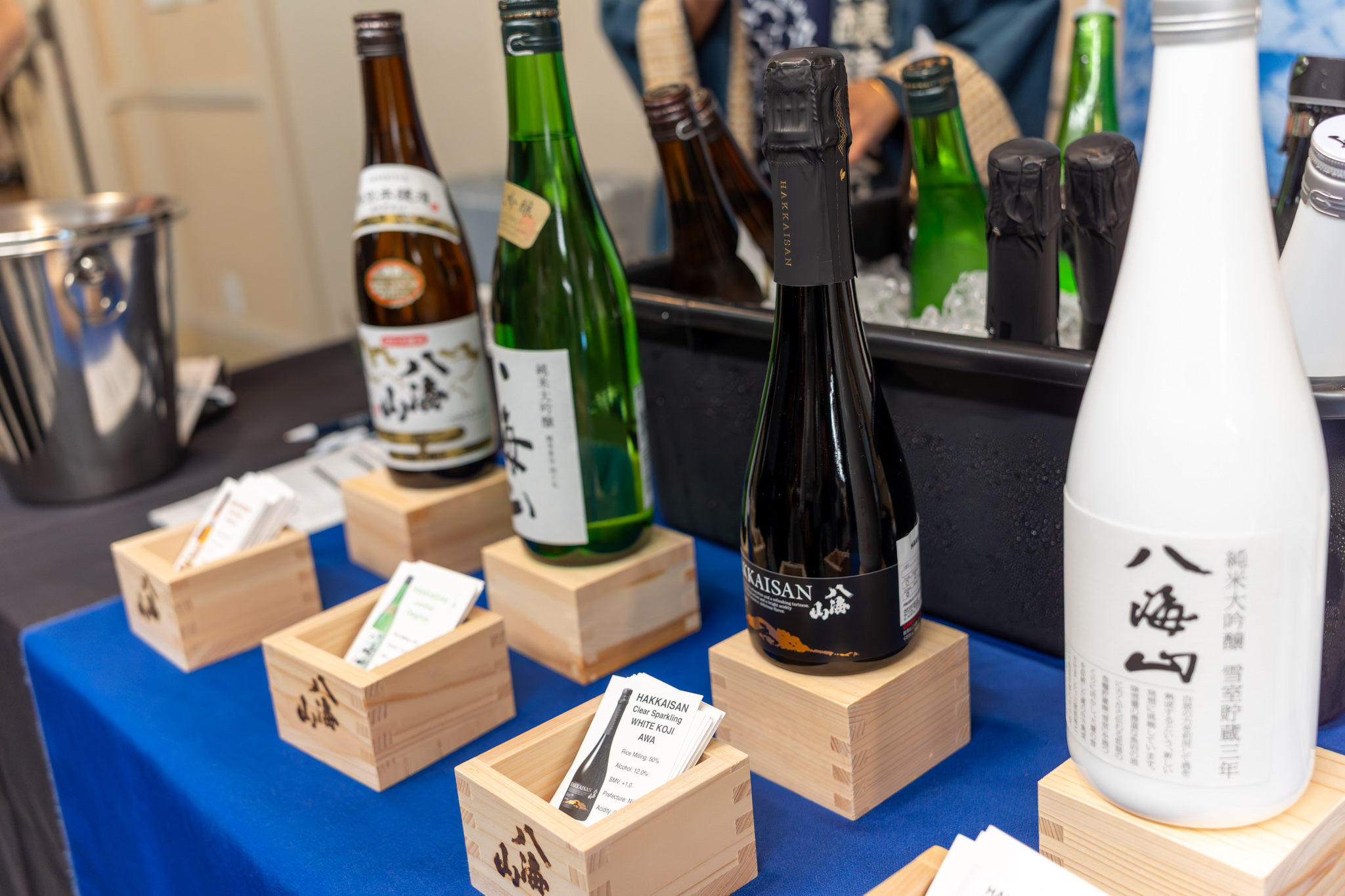
A North-Star “balance” sake: gentle melon, anise, feather-light umami, immaculate finish. Benchmark definition of “refined.” - Hakkaisan (Room 2, #3)
Ask for: Snow-Aged “Yukimuro” 3-Year (if present) or Tokubetsu Junmai / Ginjo.
Niigata classic—dry, high-tension, surgical cleanliness. The Yukimuro brings aged roundness without losing edge. - Heiwa Shuzo – “KID” (Room 3, #5)
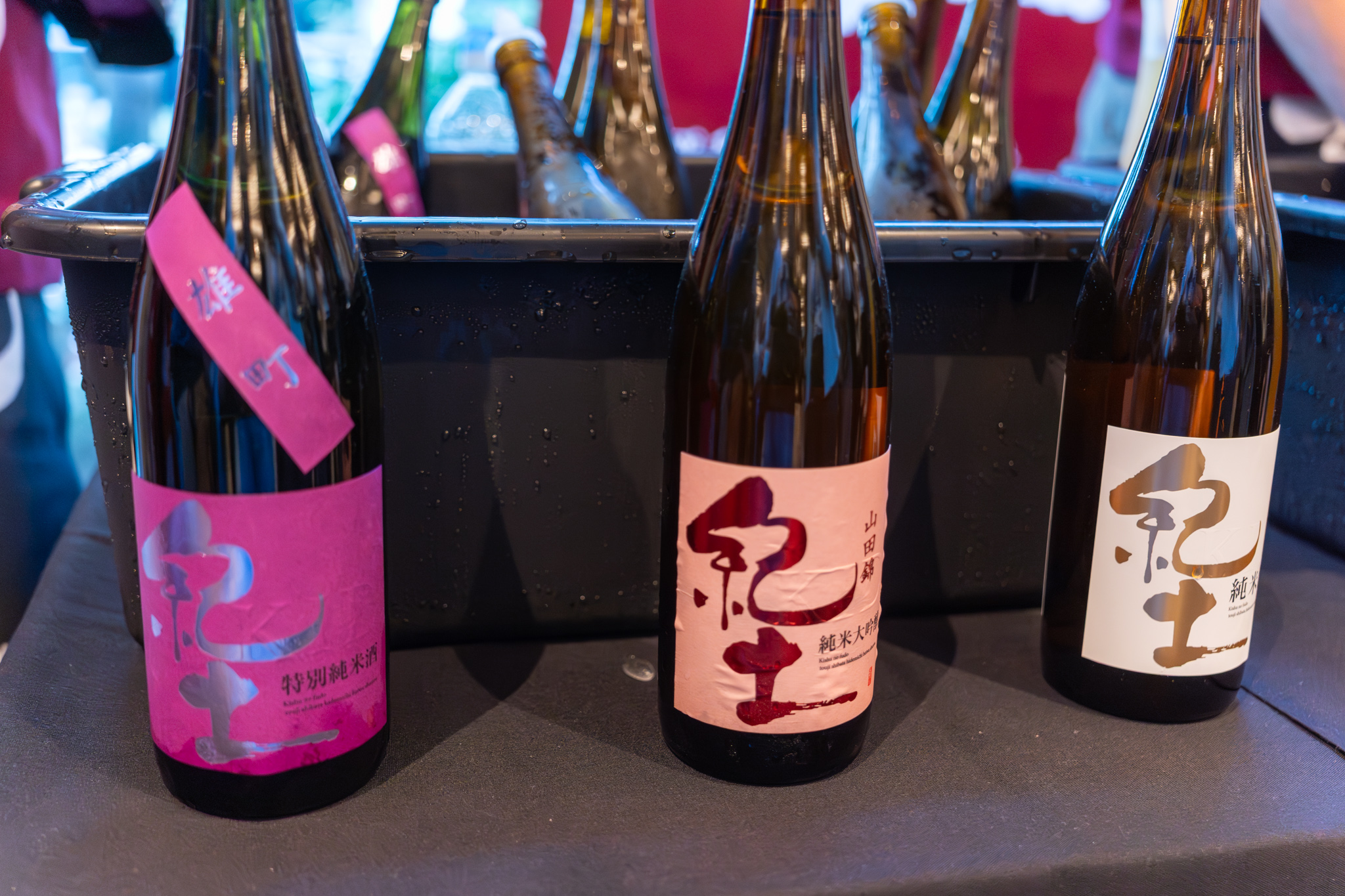
Ask for: KID Junmai Daiginjo or Junmai.
Crowd-pleasing perfume + soft acidity; modern style that still drinks dry enough for pros. - Gasanryu (Shindo Shuzo) (Room 3, #15)
Ask for: Gasanryu “Kisaragi” (JDG) or “Sui” (JGinjo).
Knife-sharp aromatics, weightless mid-palate, pristine finish. Minimalist perfection. - Dassai Blue (Room 1, #30)
Ask for: Type 23/35/50 (whatever they’re pouring).
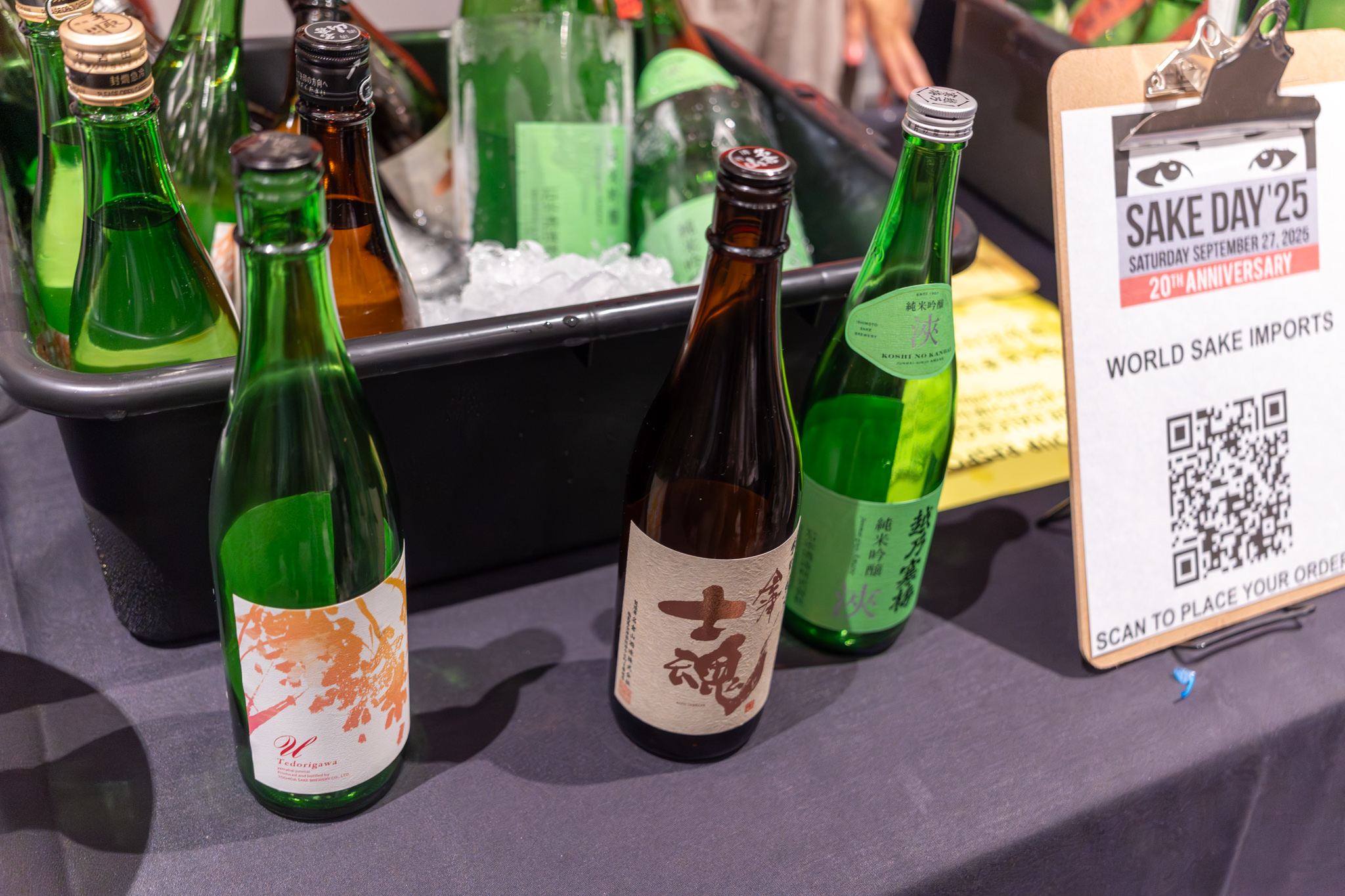
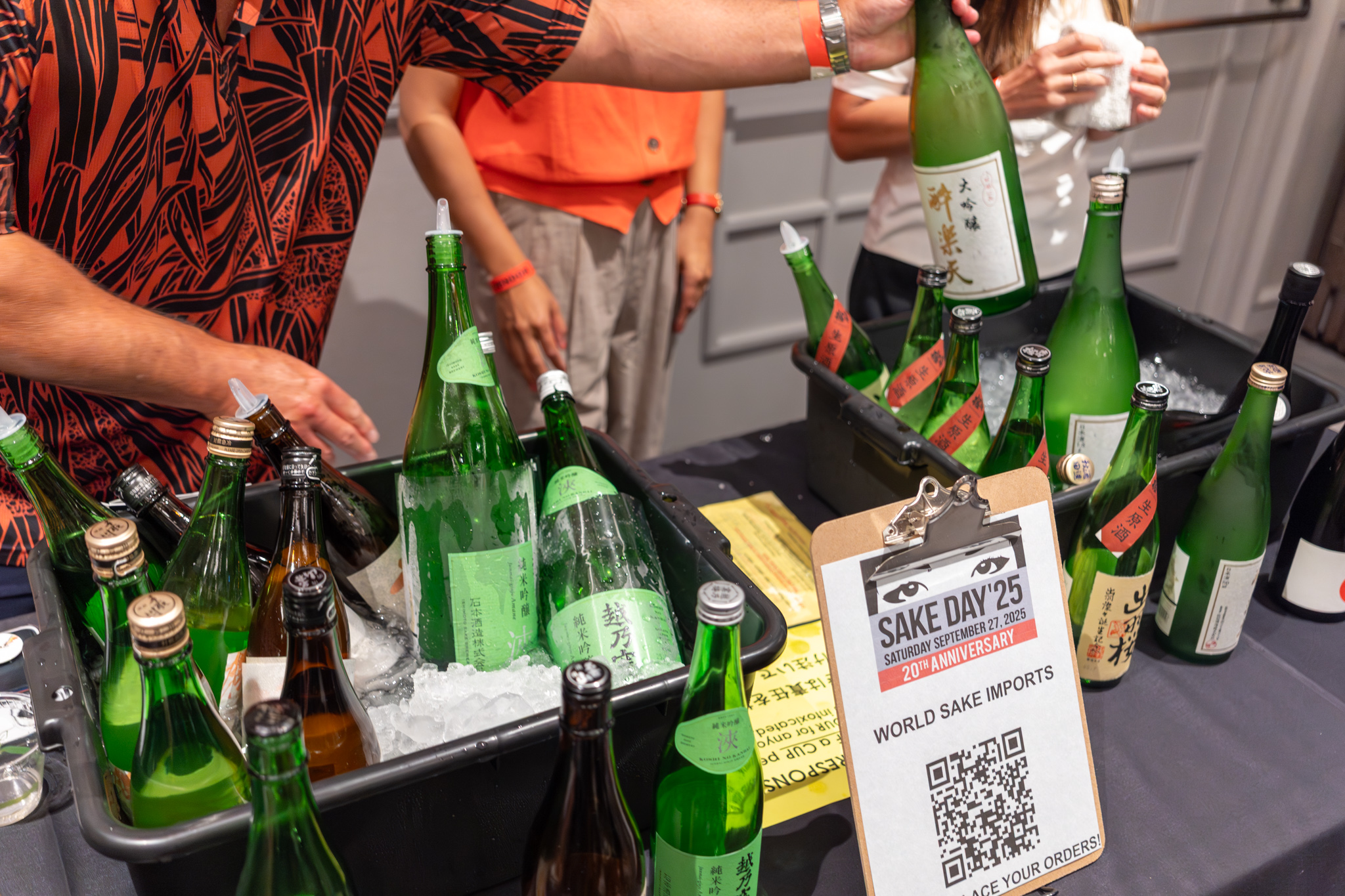
Texas-brewed sister to Dassai Japan—still the reference point for ultra-polished, aromatic JDG. Compare across polishes. - Tedorigawa / Dewazakura / Hoyo via World Sake Imports (Room 3, #2)
Ask for: Dewazakura “Oka” Ginjo or Tedorigawa “Yamahai Junmai.”
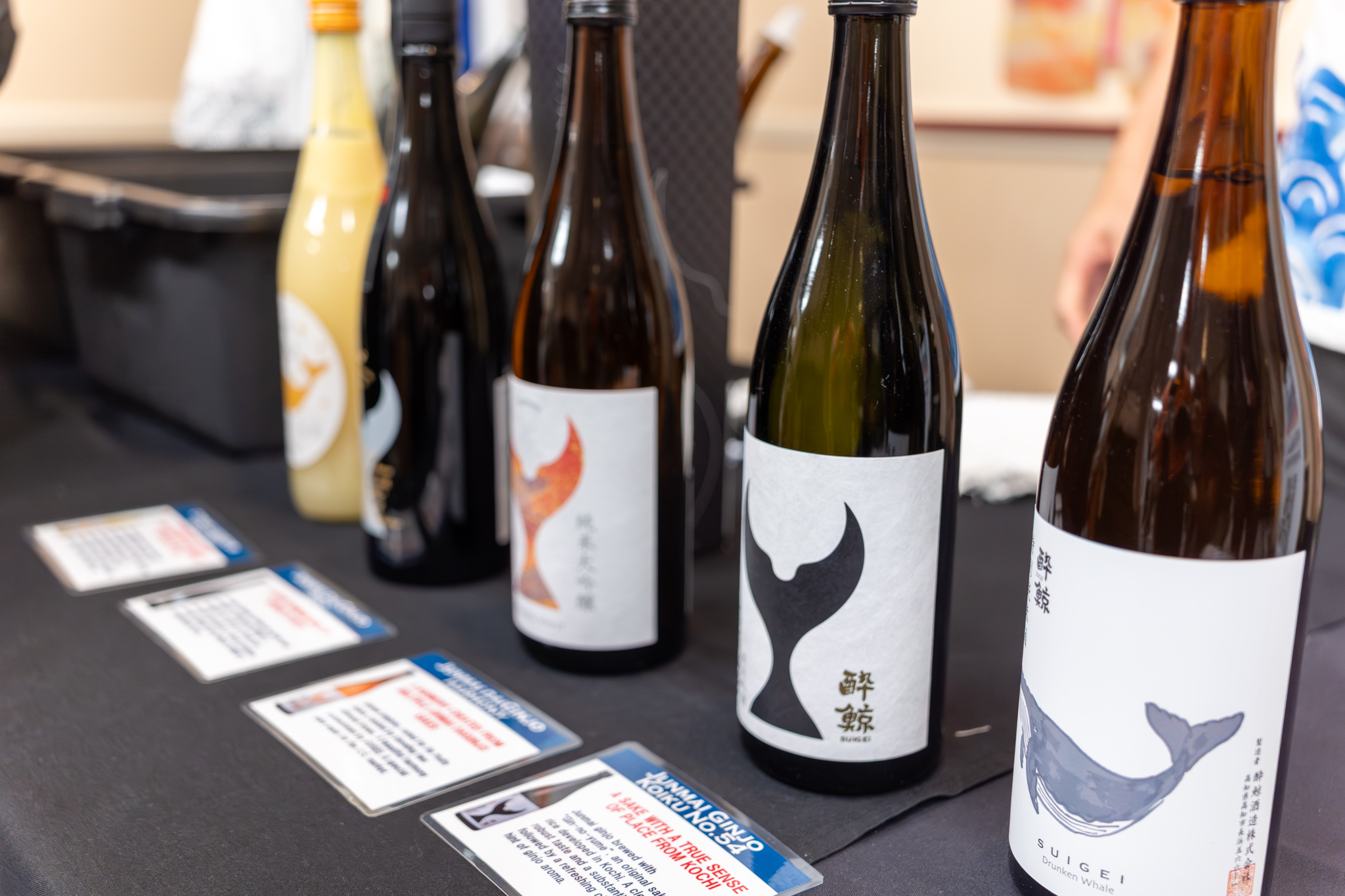
WSI curates bangers; these two are guaranteed “this is why sake is great” pours. - Suigei – “Drunken Whale” (Room 2, #9)
Ask for: Tokubetsu Junmai or Ginjo.
Dry, zesty, food-first Kochi style. Think citrus pith and snap; refresh between richer pours.
Tier 2 — High-confidence follow-ups (precision, value, or unique styles)
- Shirataki – “Jozen Mizunogotoshi” (Room 1, #20)
Ask for: Junmai Ginjo (white label). Clean Niigata profile; chilled granite and pear. - Ichinokura (Room 1, #25)
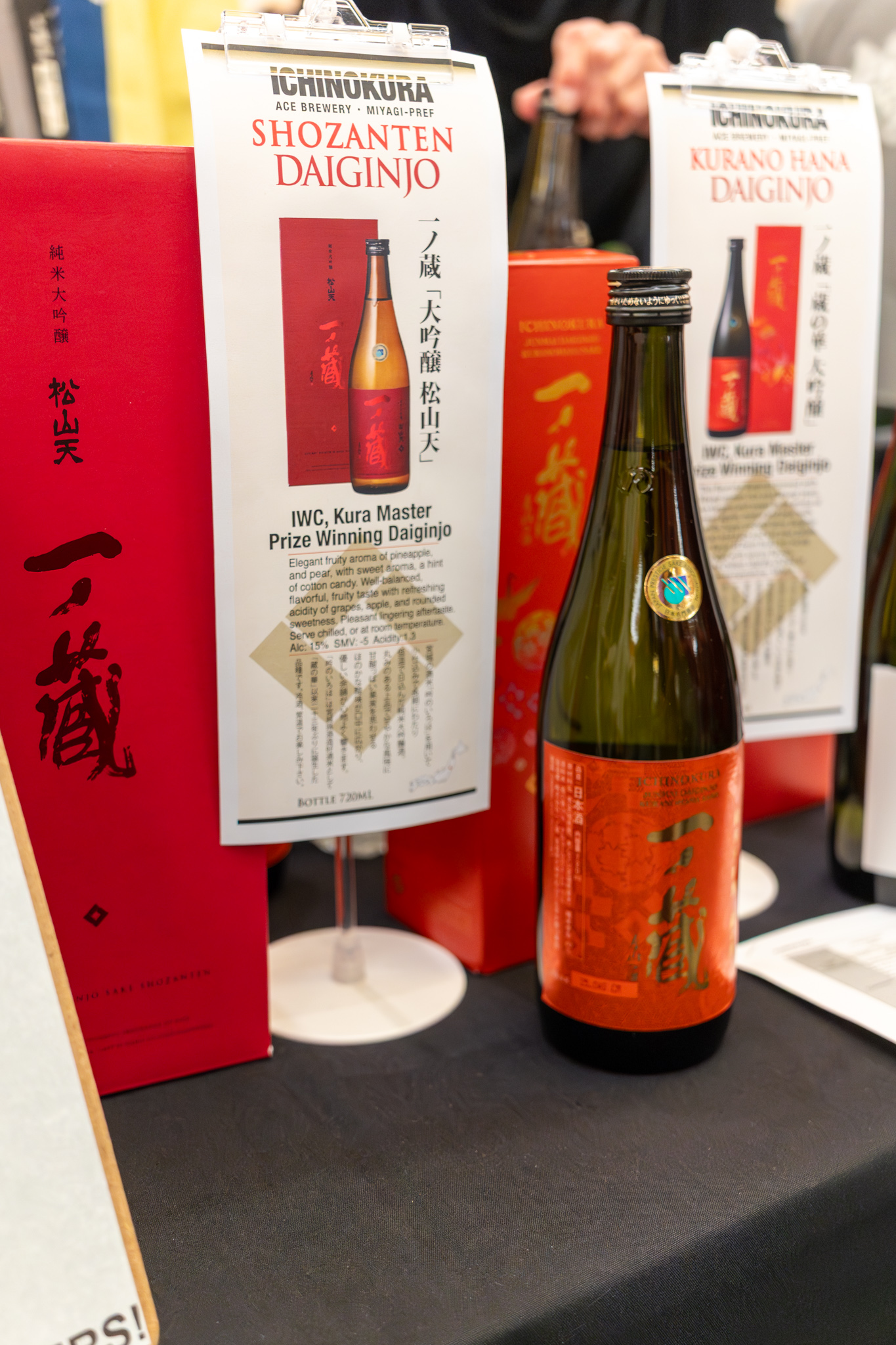
Ask for: Junmai or Himezen (if you want lightly sweet, aromatic). Classic Miyagi balance; great calibration sake. - Wakatake Onikoroshi – “Demon Slayer” (Room 1, #22)
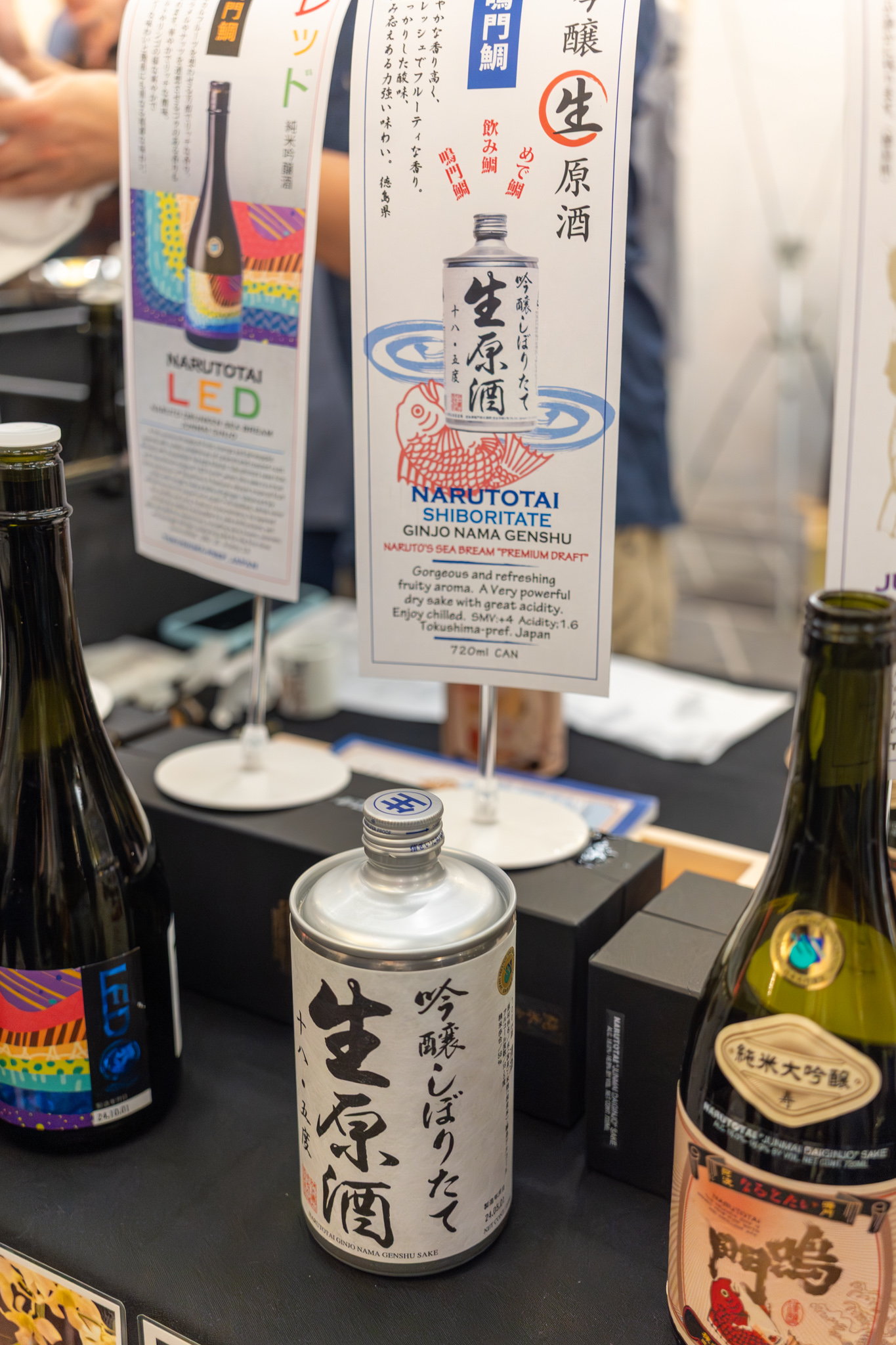
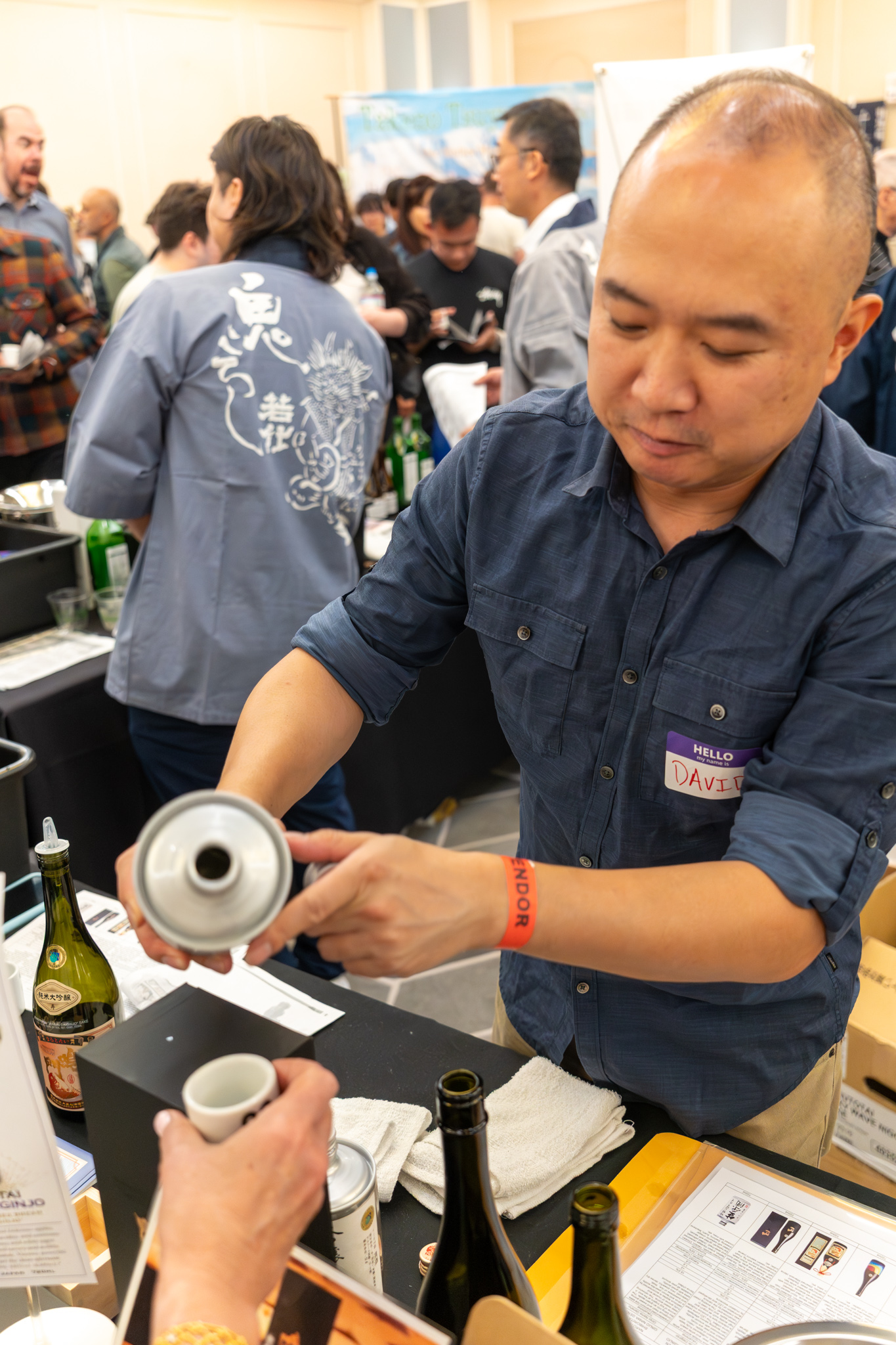
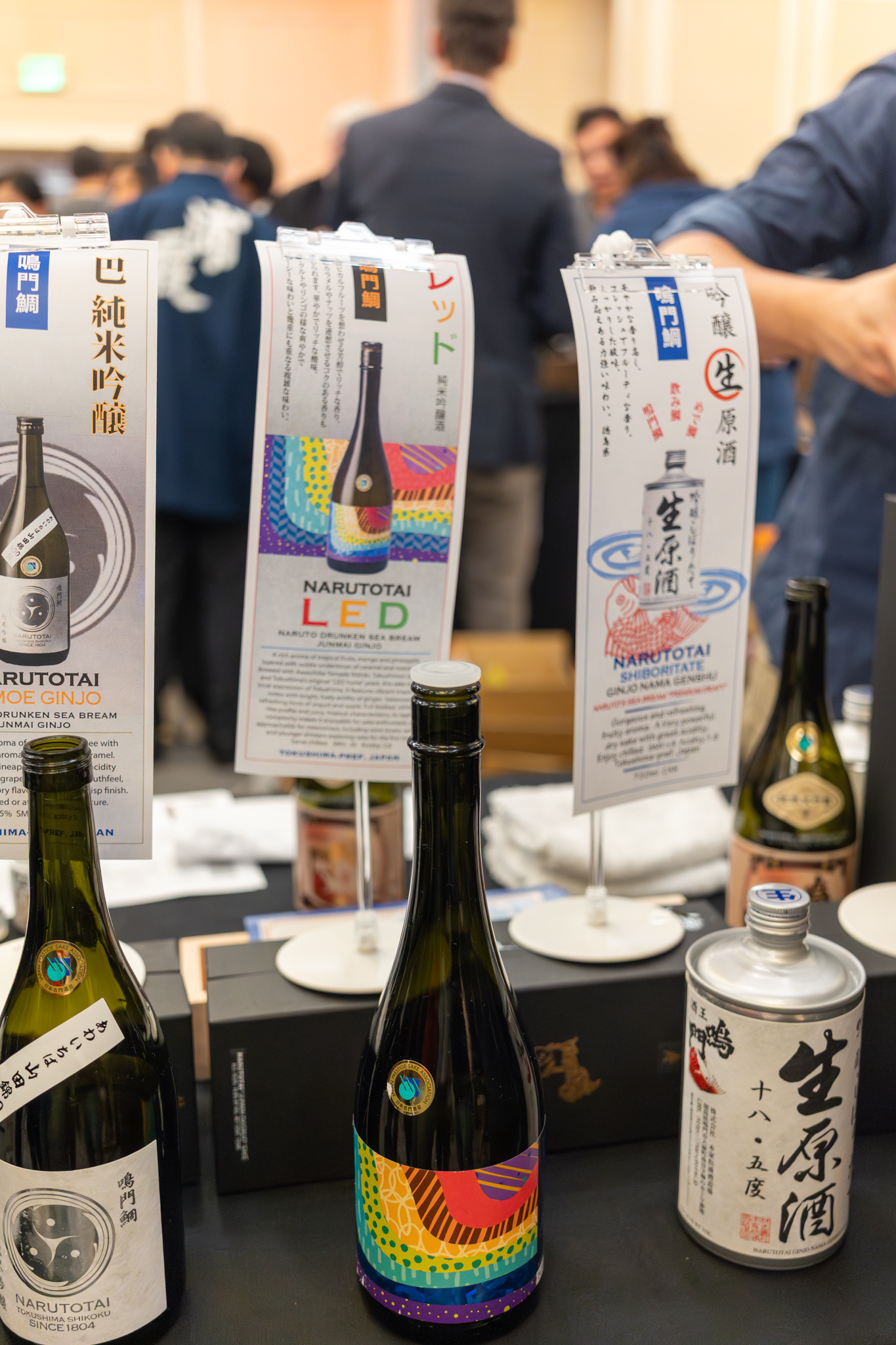
Ask for: Junmai Daiginjo. A perennial crowd-pleaser—lifted aroma, satin texture, easy luxury. - Narutotai – “Drunken Sea Bream” (Room 1, #27)
Ask for: Ginjo Nama Genshu (the can). Big, fresh, unfiltered vibe; slightly boozy, wildly fun—end-of-flight treat. - Kikusui (Room 2, #5)
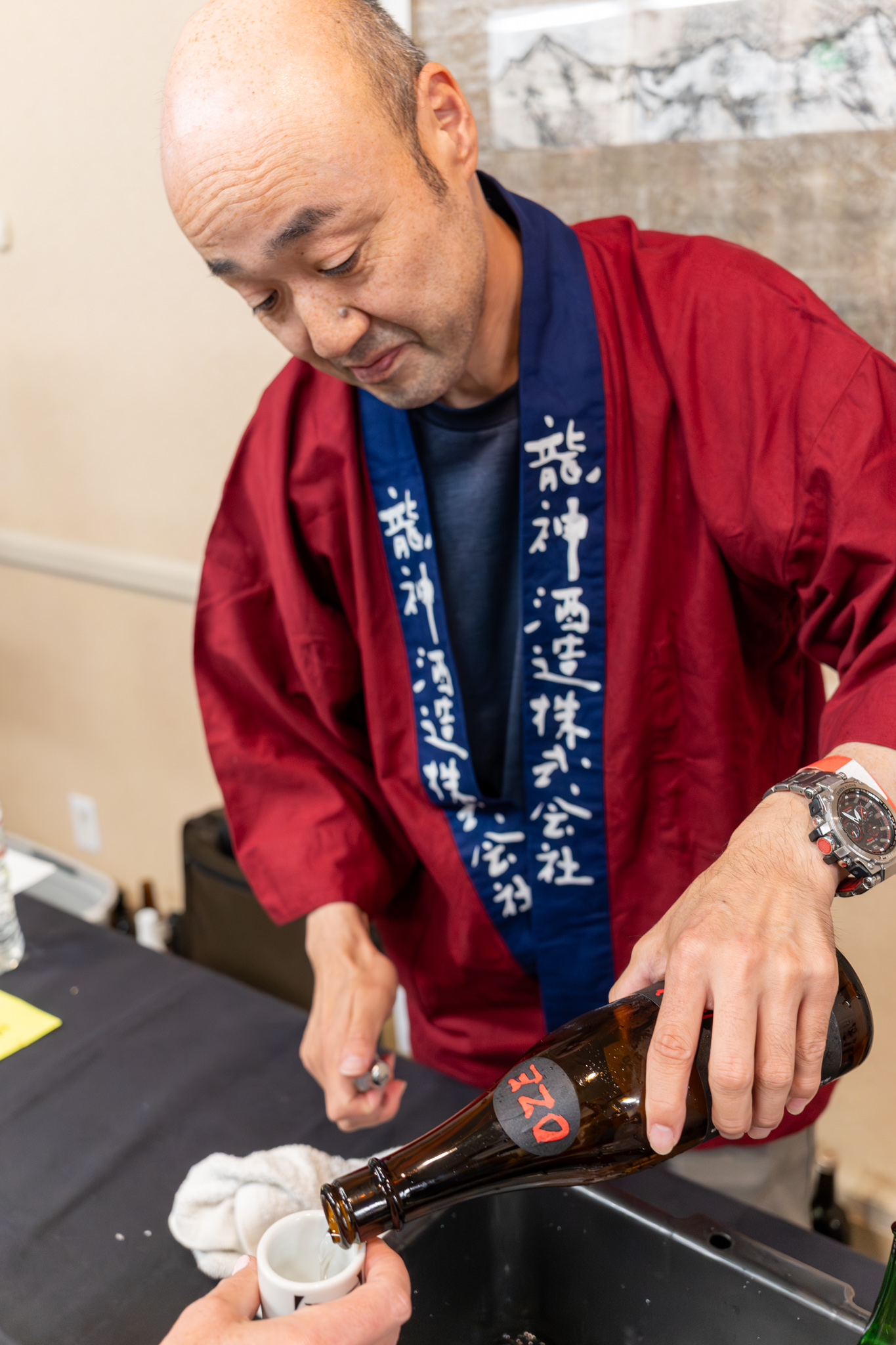
Ask for: Junmai Ginjo or Funaguchi Nama Genshu (gold can). The can is a cult classic—rich, juicy, unapologetically hedonistic. - Ryujin Shuzo – “Oze no Yukidoke” / “Dragon God” (Room 2, #4)
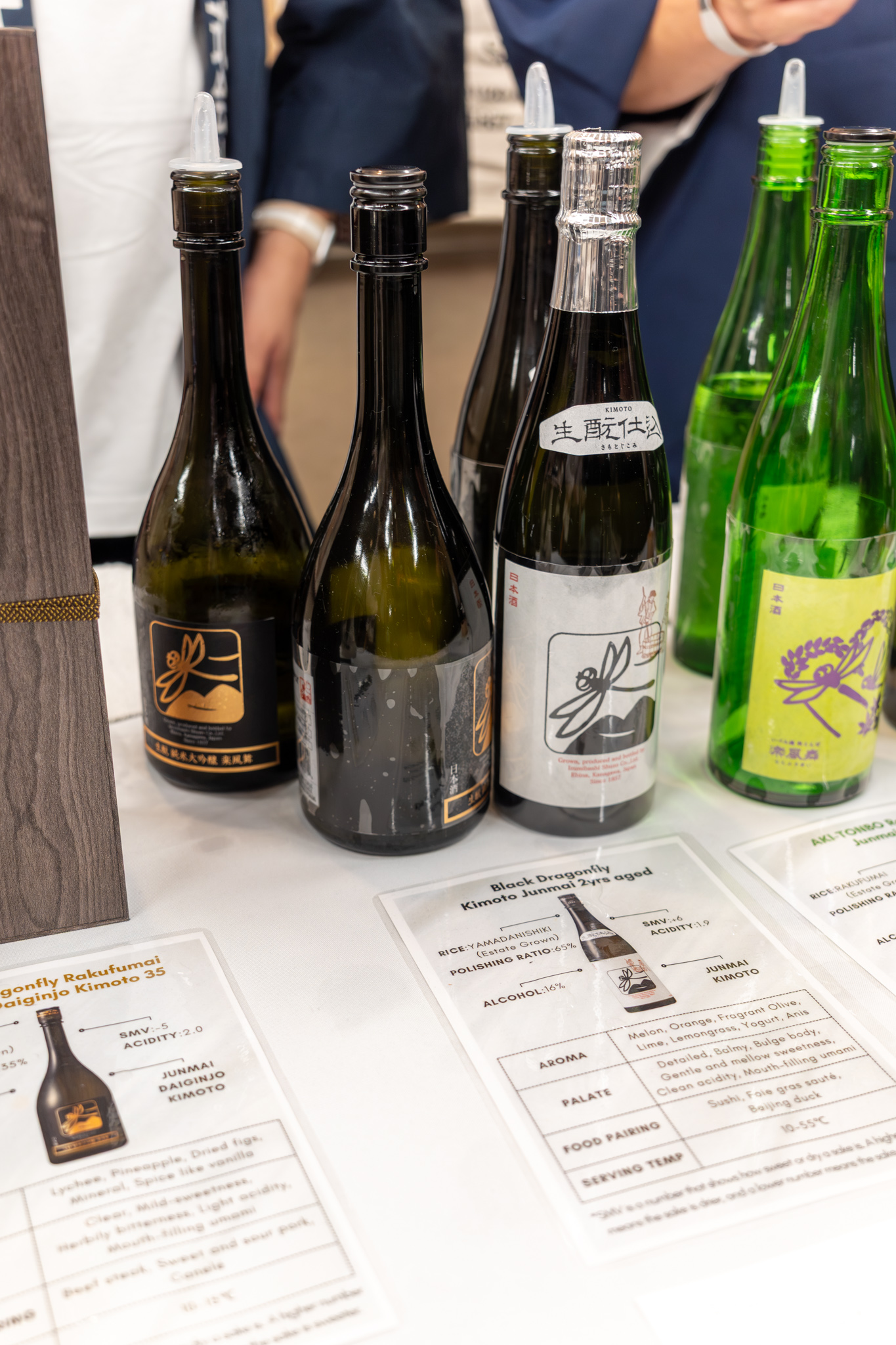
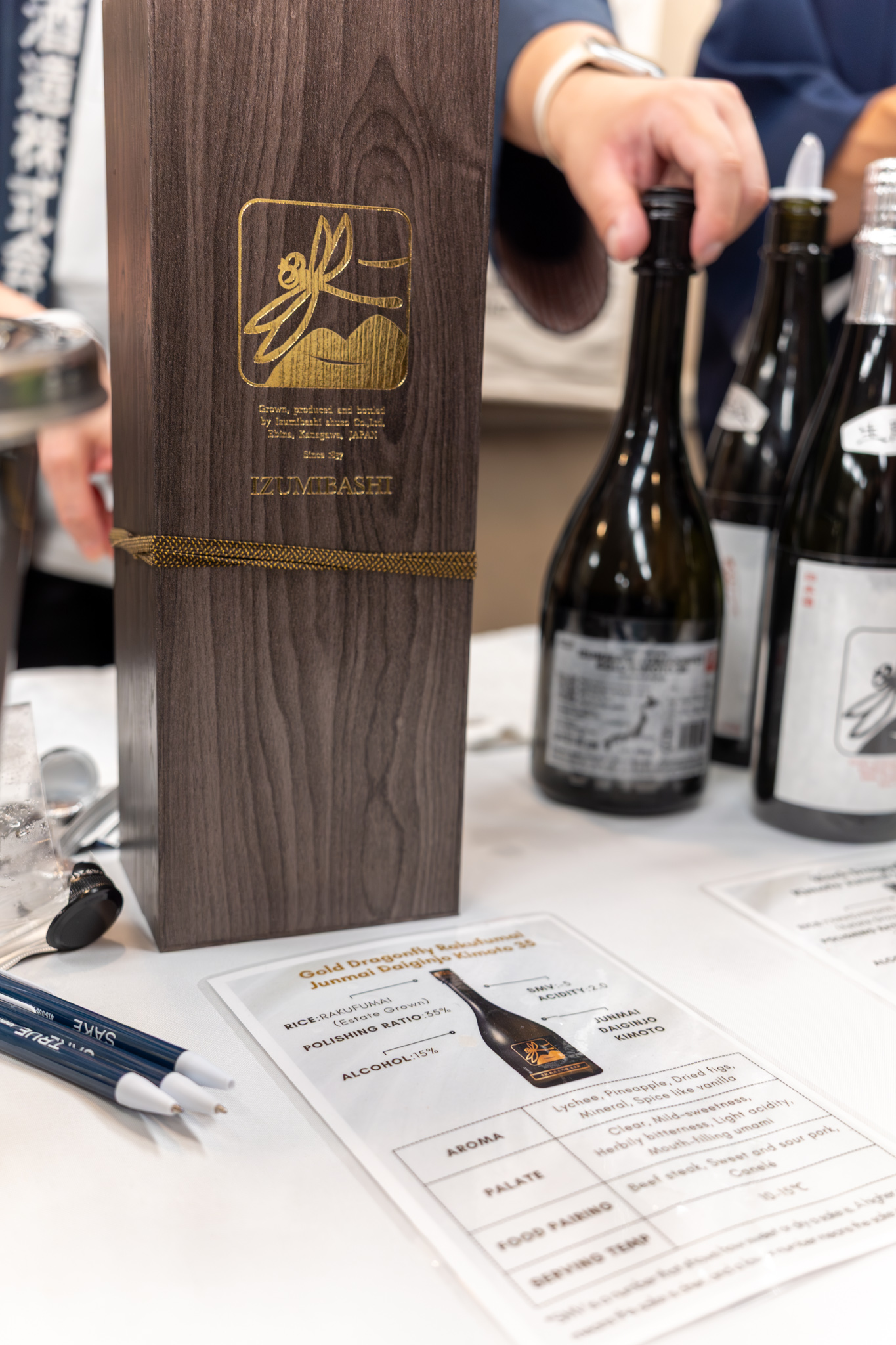
Ask for: Junmai Ginjo. Bright orchard fruit, brisk finish—excellent mid-session reset. - Izumibashi (Room 2, #8)
Ask for: “Blue Dragonfly” Kimoto Junmai. Earthy-mineral kimoto with modern polish; terrific with savory snacks. - Emishiki (Room 2, #7)
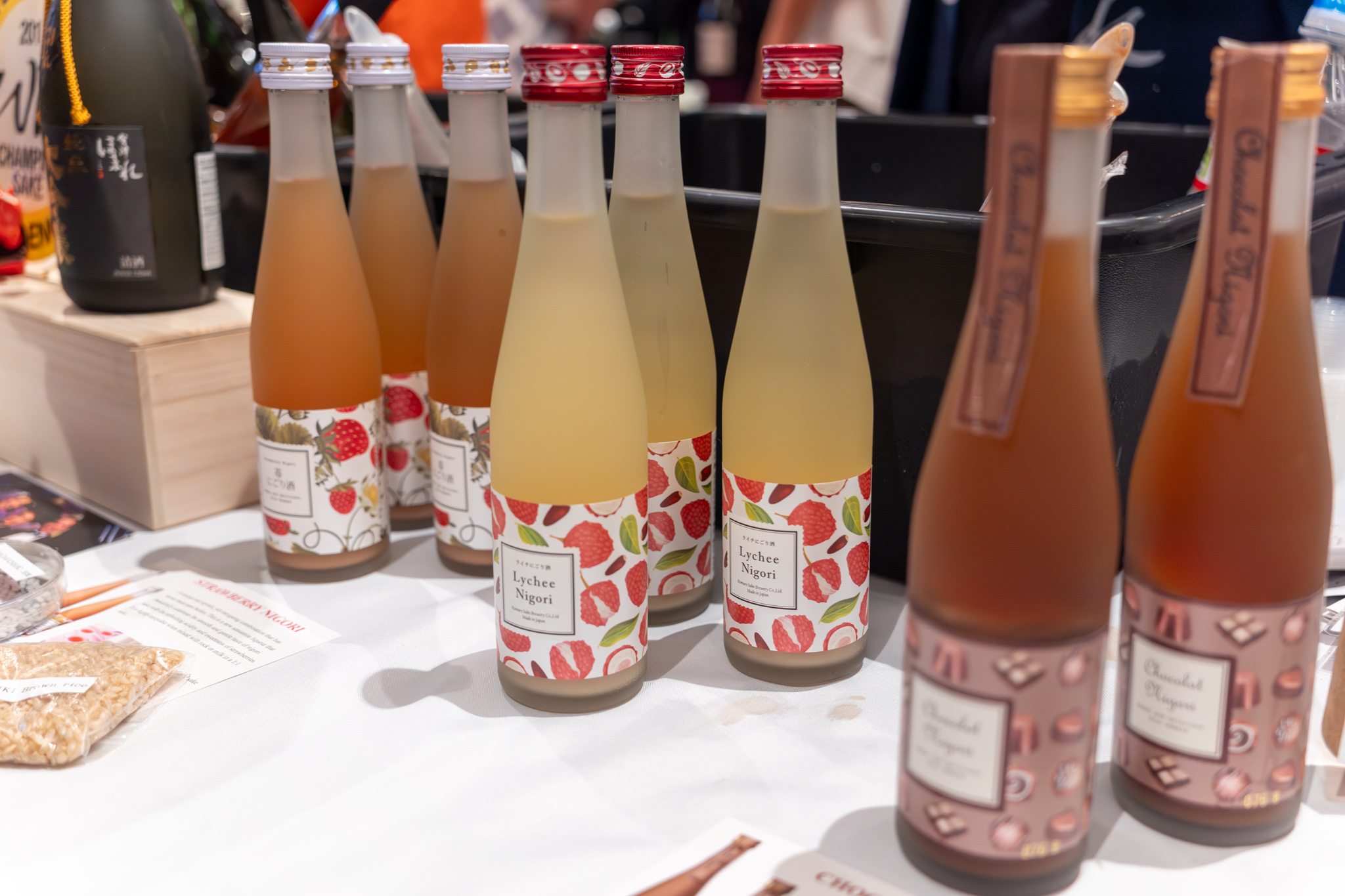
Ask for: “Sensation White” or “Monsoon.” Modern, textural, aromatic—if they’re pouring a namazu (nama), jump. - Homare (Aizu Homare) (Room 3, #20)
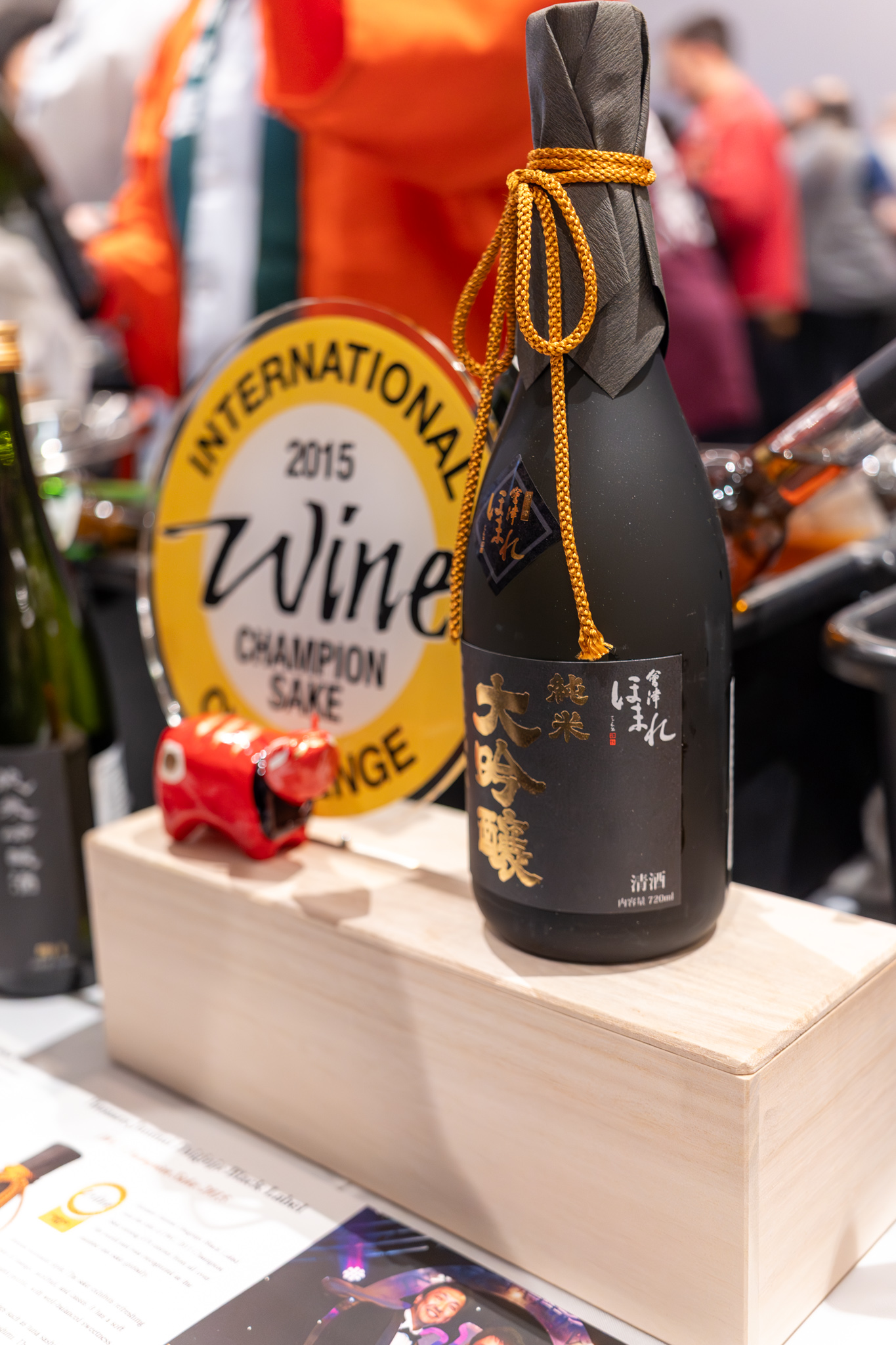
Ask for: Junmai Daiginjo (IWC trophy lineage). Smooth, floral, gently sweet finish. - Katsuyama / “Taste of Miyagi” tables (Room 1, #17 & #18)
Ask for: Anything marked Junmai Ginjo; great way to compare Miyagi’s delicate style across producers.
Tier 3 — Worth the detour (local craft, rare blends, and specialty imports)
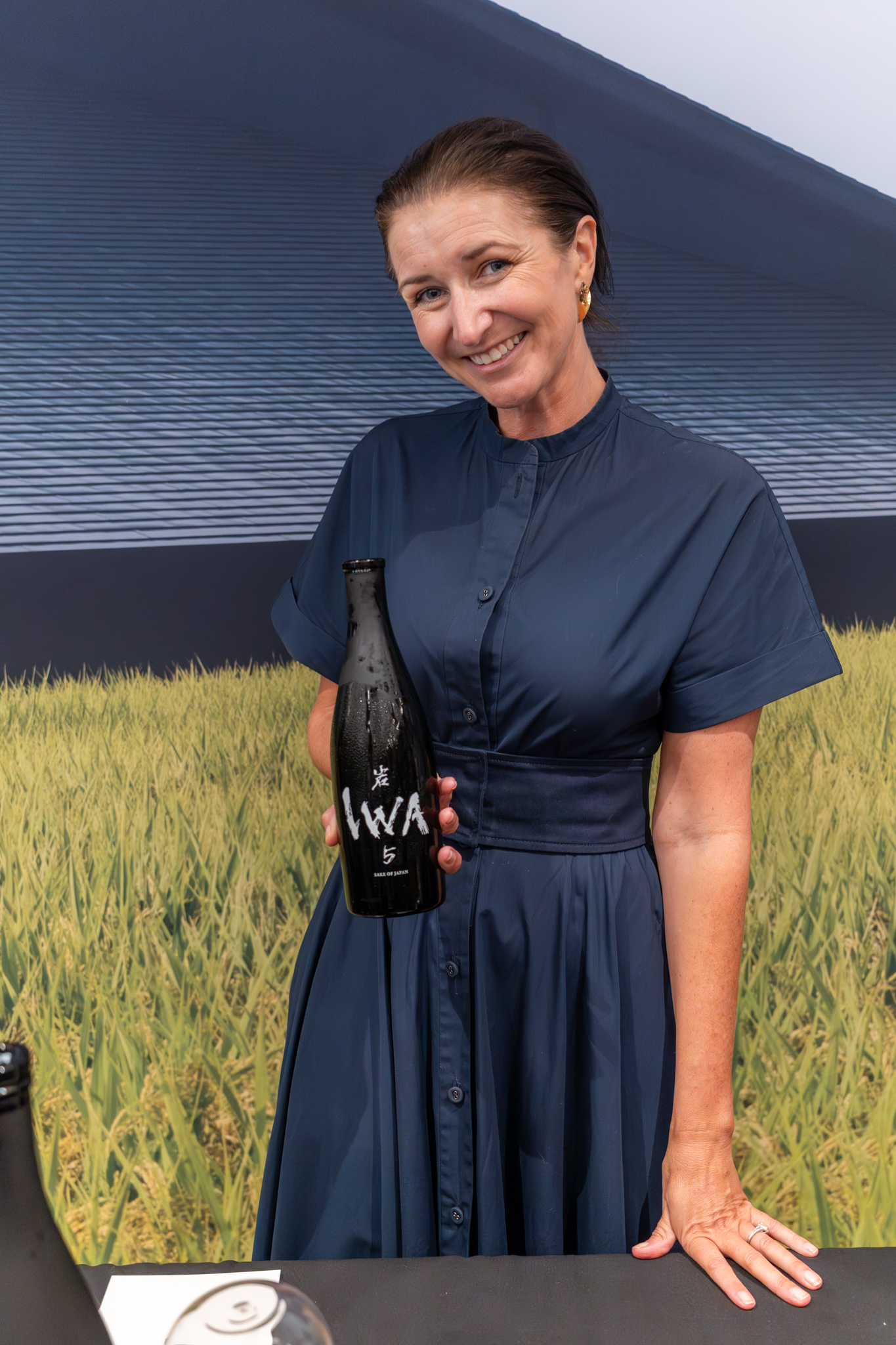
- IWA Sake (Richard Geoffroy) (Room 3, #11)
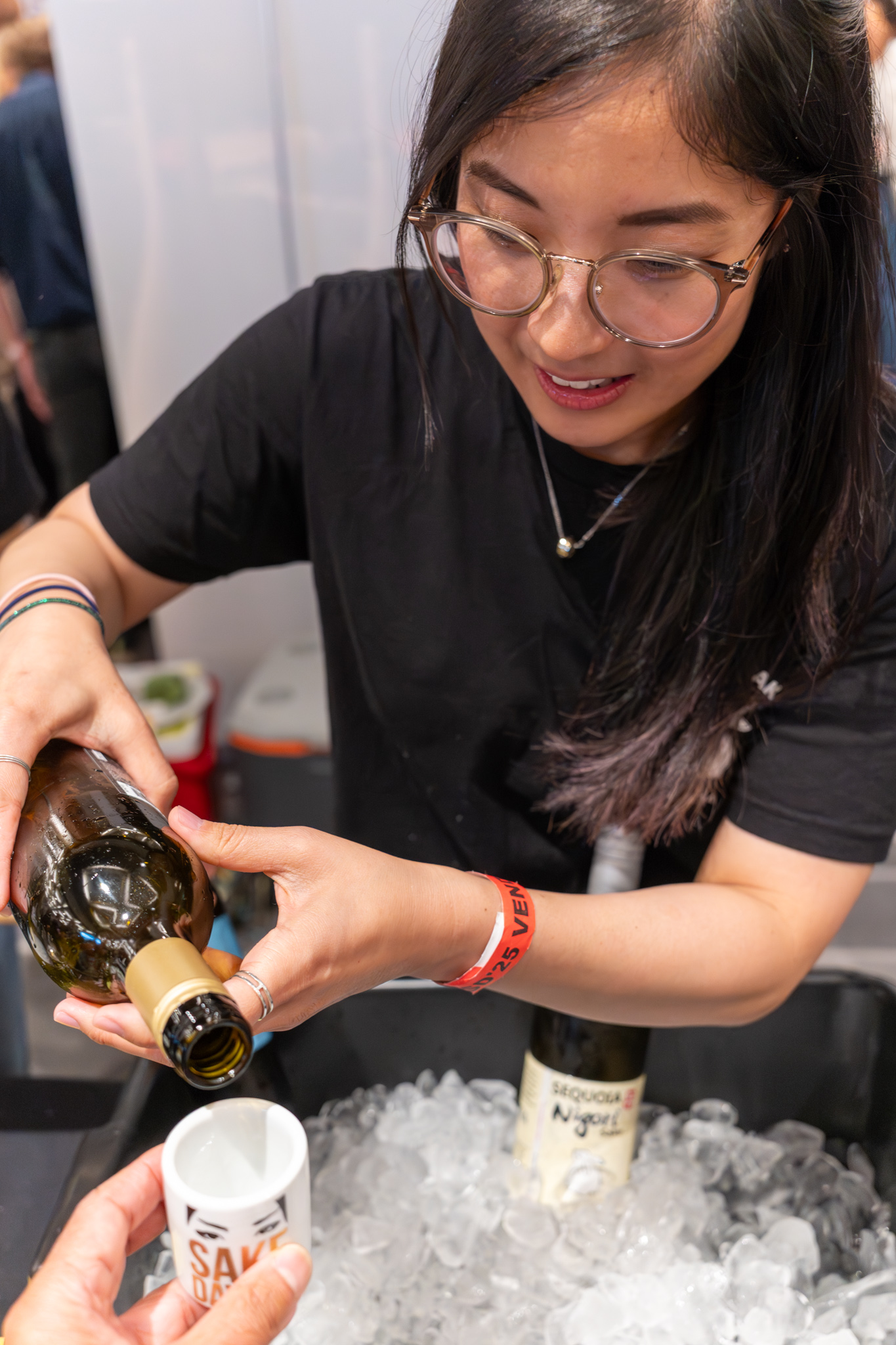
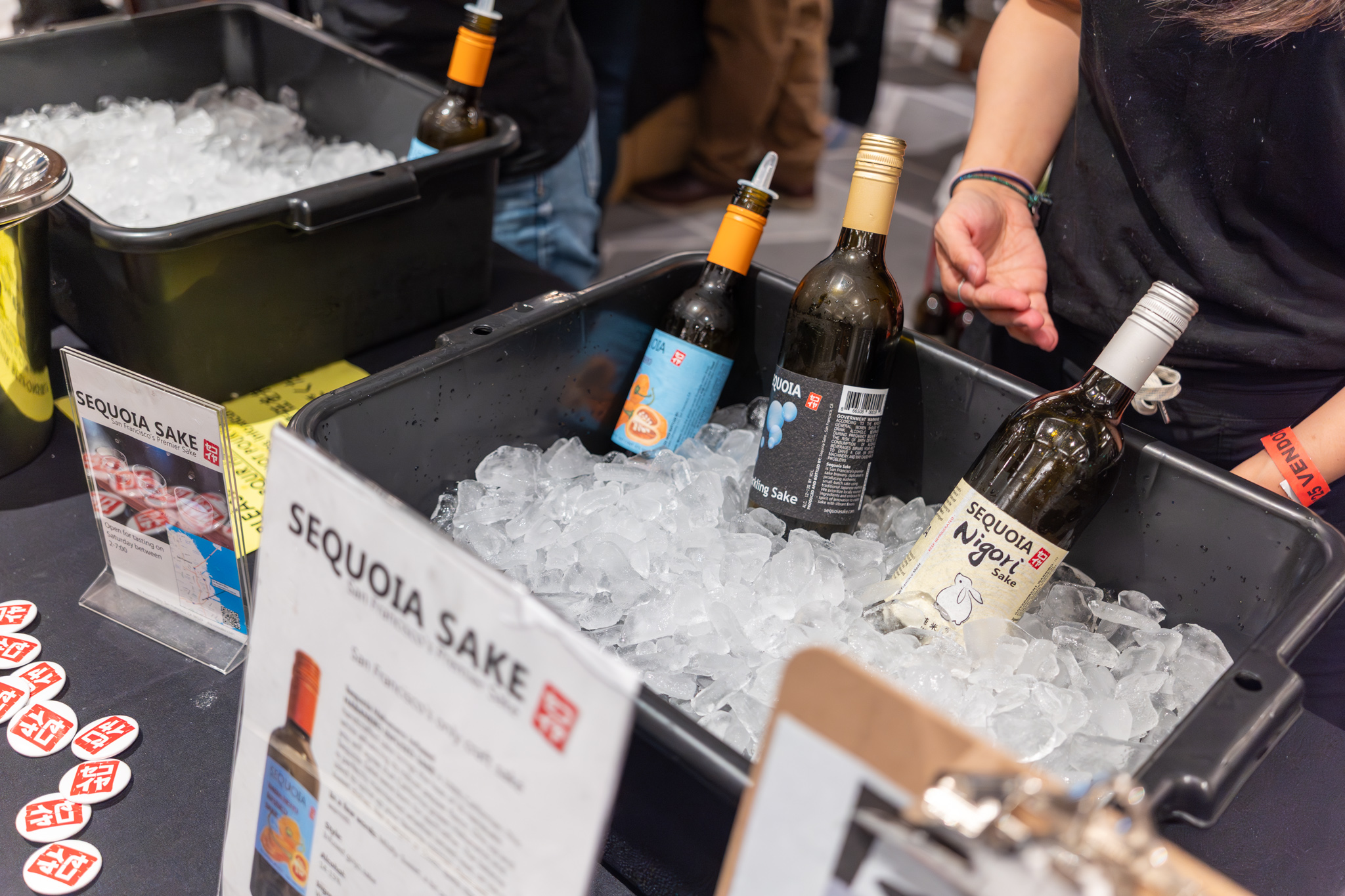
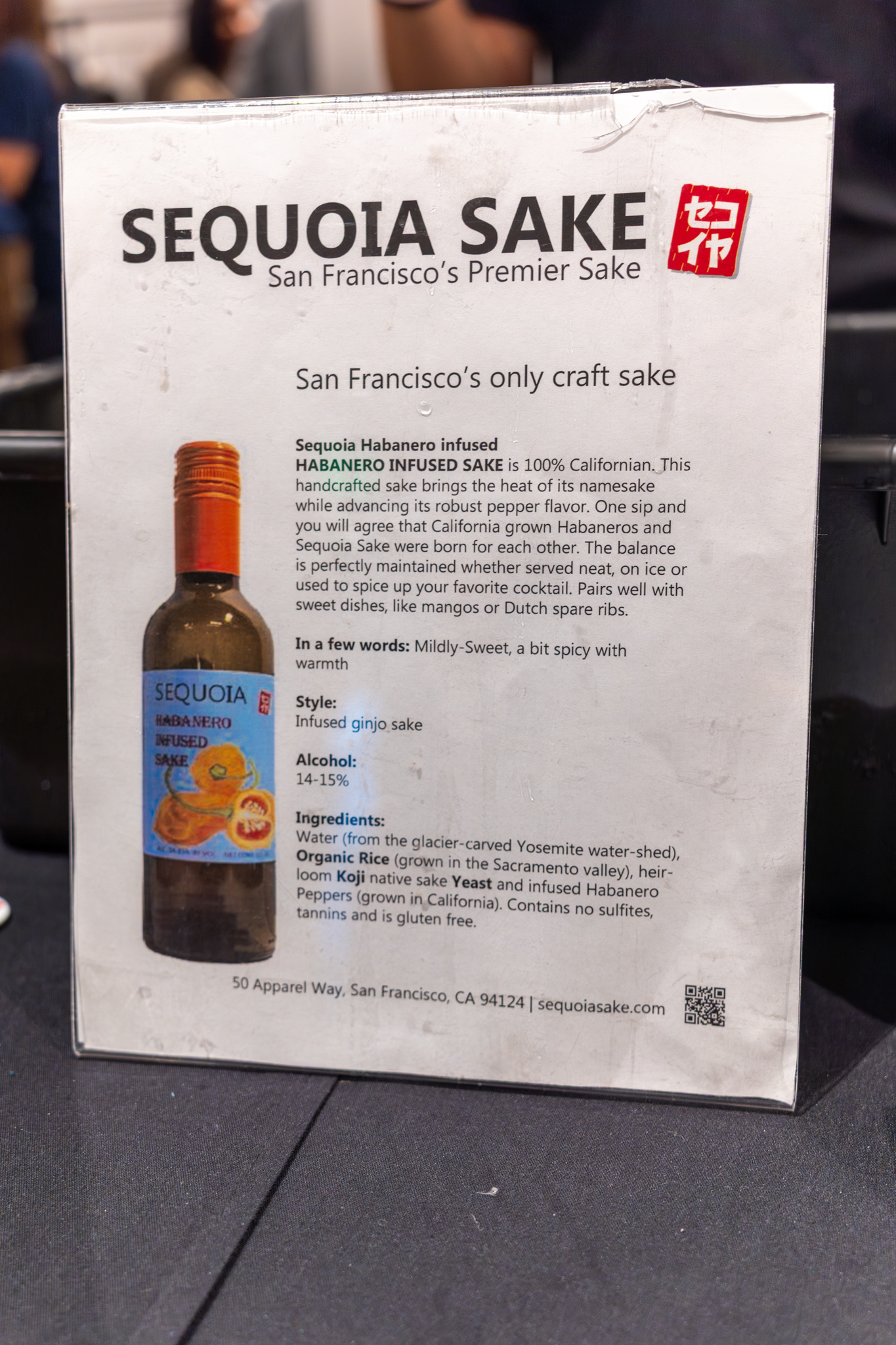
Ask for: IWA 5 Assemblage. Champagne master crafting sake blends; textural, layered, $$$—sip it to understand the hype. - Sequoia Sake (SF) (Room 3, #17)
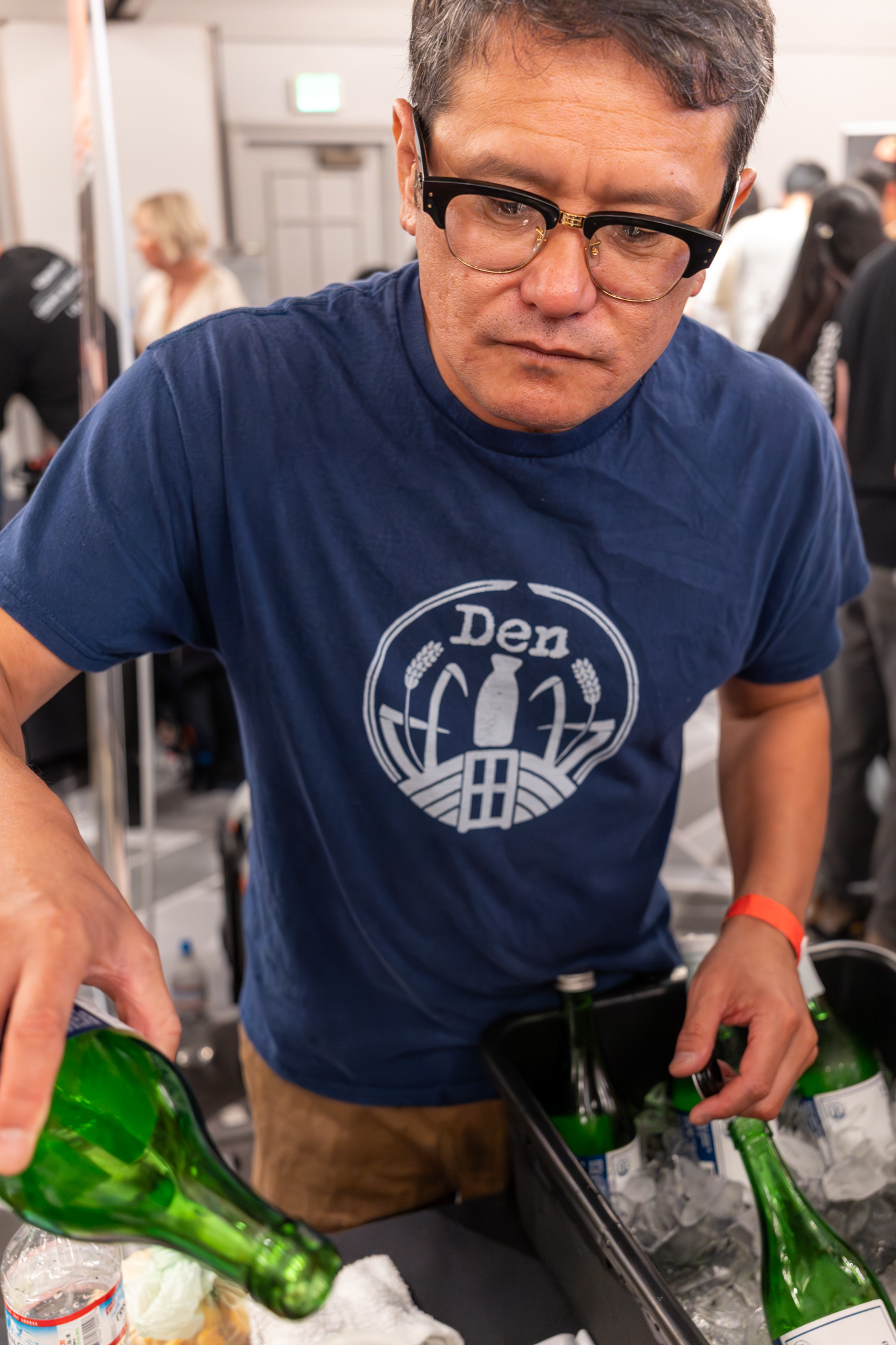
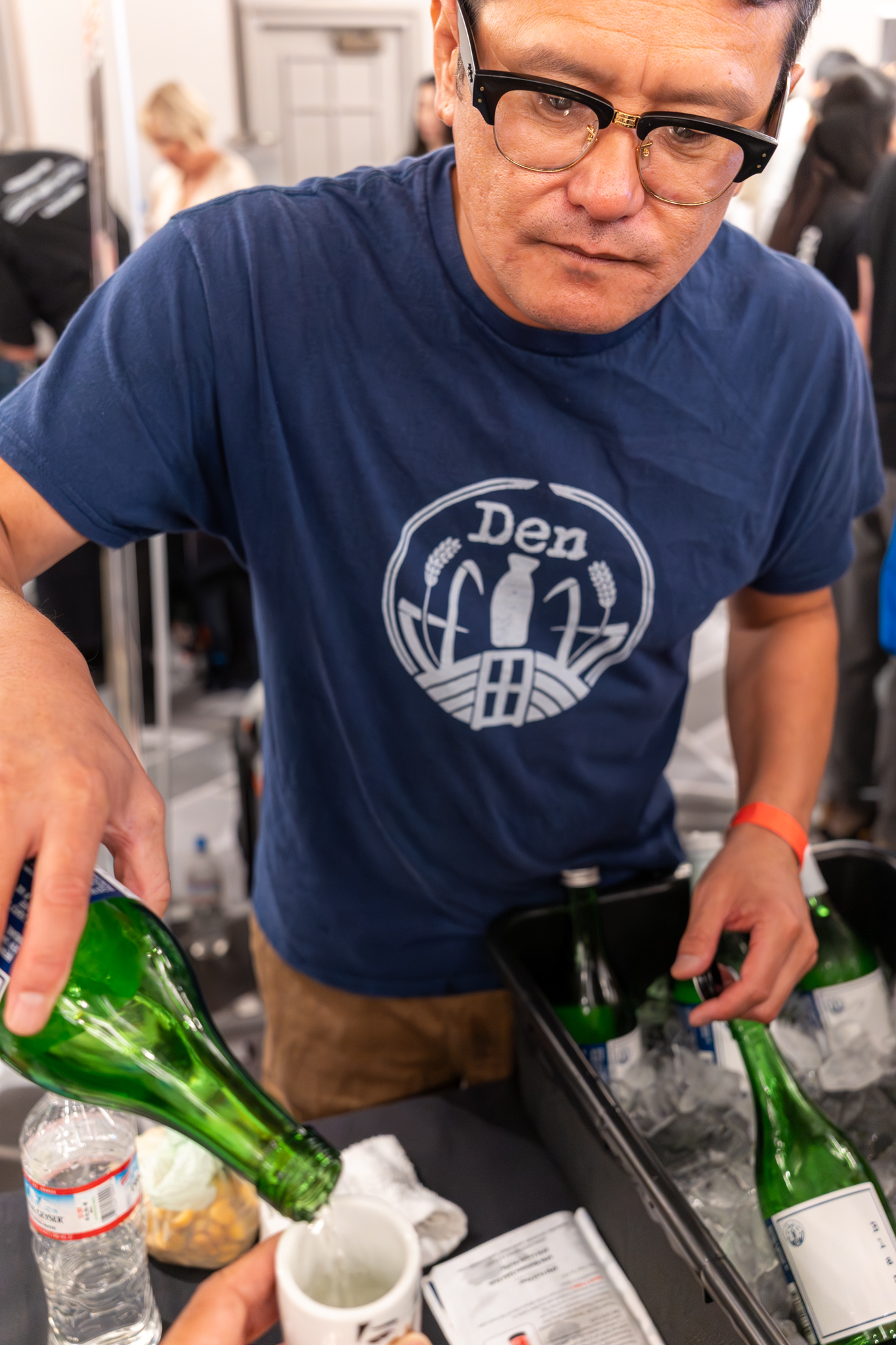
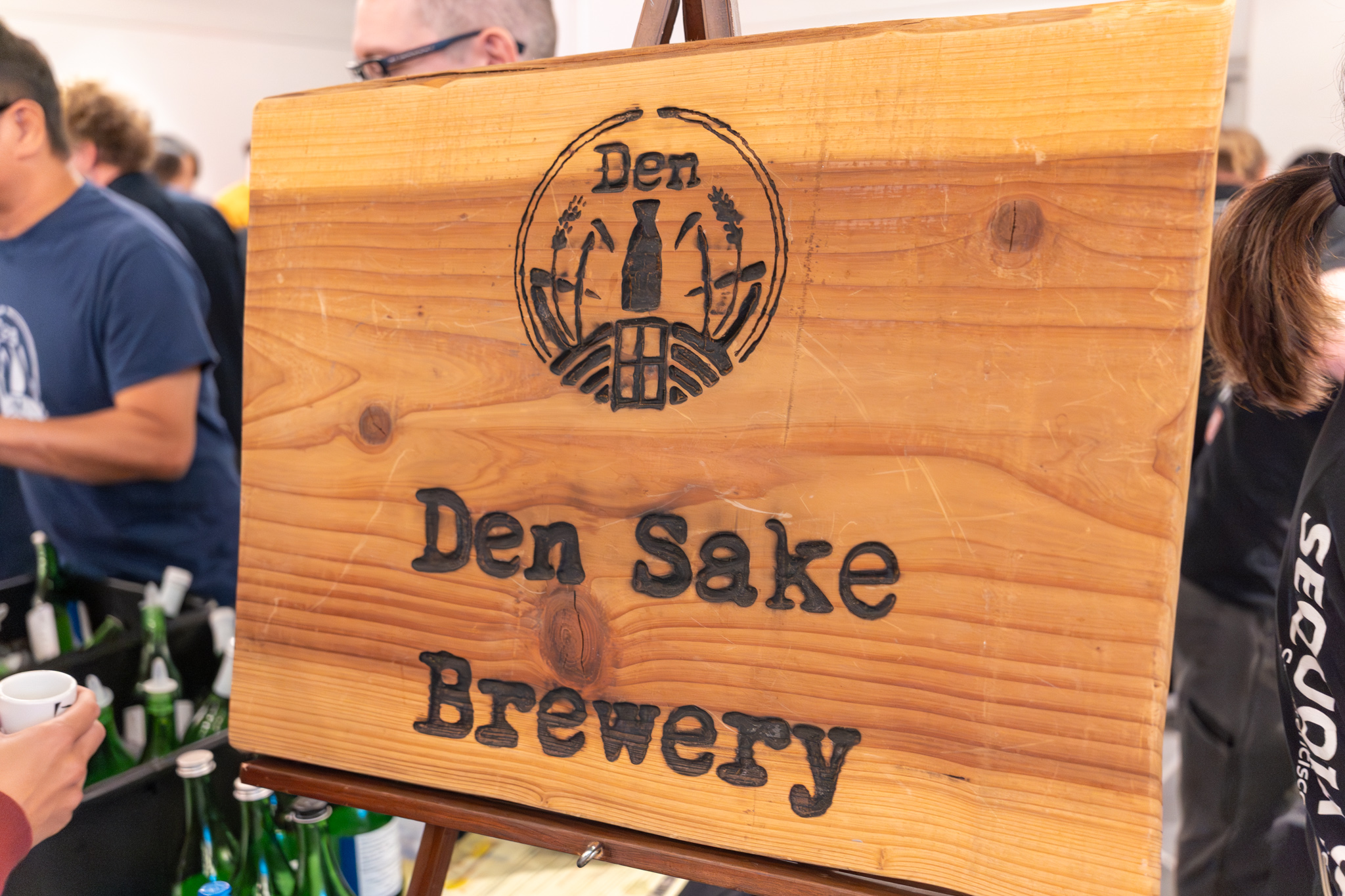
Ask for: Nama Junmai. Hyper-fresh, local, low-travel oxidation—great “living” sake snapshot. - Den Sake (Oakland) (Room 3, #18)
Ask for: Den Classic Junmai. Lean, umami-friendly, built for food. West-Coast craft standard-bearer. - Islander Sake (Honolulu) (Room 3, #1)
Ask for: Nama or seasonal. Tropical micro-terroir note; fun contrast versus Niigata dryness. - Kome Collective / Joto / Skurnik / Wismettac / Mutual Trading (Various: Rm3 #3, Rm1 #14 & #19, Rm3 #21, Rm2 #1)
These importers often pour across portfolios. Scan their sheets for: Yuho, Bijofu, Seikyo, Kokuryu, Kuheiji, Tedorigawa, Dewazakura—pounce if you spot them.
Quick game plan (so you don’t nuke your palate)
- Start dry & precise: Hakkaisan (#3-R2), Shirataki (#20-R1), Urakasumi (#23-R1).
- Move to aromatic JDG: Katsuyama (#12-R1), Gasanryu (#15-R3), Heiwa/KID (#5-R3), Dassai Blue (#30-R1).
- Explore terroir/technique: Izumibashi kimoto (#8-R2), Tatsuriki rice-purist (#6-R2).
- Finish big/uncorked: Emishiki modern (#7-R2), Narutotai nama genshu can (#27-R1), Kikusui Funaguchi (#5-R2).
- Wildcard prestige: Nabeshima (#28-R1) and IWA 5 (#11-R3) whenever you spot the bottles—these can run out.
Pro tips
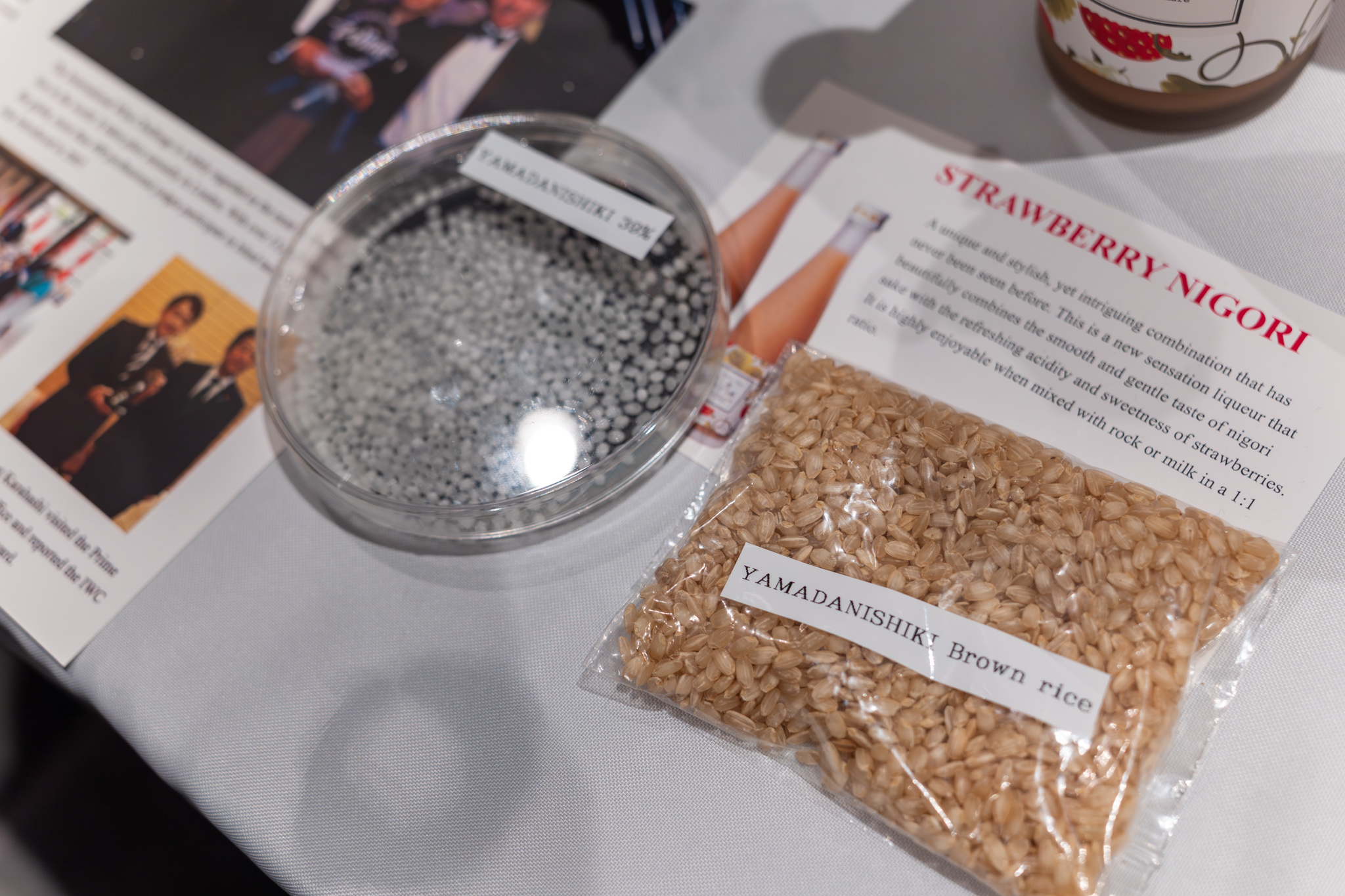
- Ask for rice & polish on each pour (e.g., Yamadanishiki, Omachi; 23–60%). It teaches your palate fast.
- Tiny sips, water resets after any nama genshu; those sneak up on you.
- Photograph labels and note “dry/aromatic/body/finish” in four words; you’ll actually remember later.
If you want, I can turn this into a one-page tasting card with checkboxes by room and table so you can speed-run the floor like a pro.
Leave a Reply